





















Now Reading: The Green Living Room Revolution: Best Air-Purifying Plants for Your Indian Home
-
01
The Green Living Room Revolution: Best Air-Purifying Plants for Your Indian Home
The Green Living Room Revolution: Best Air-Purifying Plants for Your Indian Home

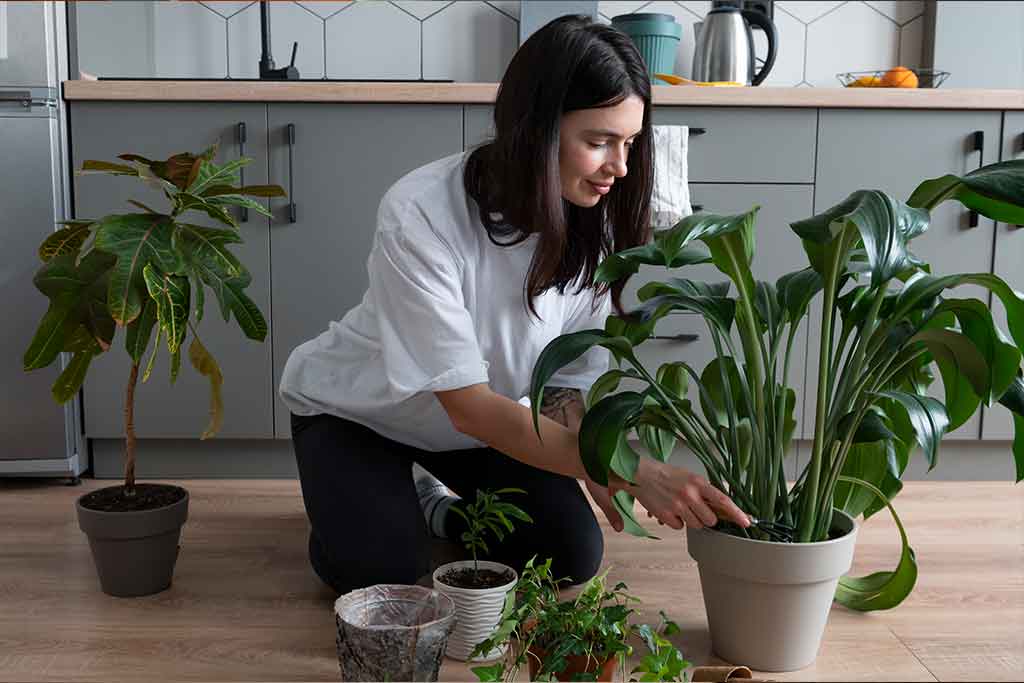

Fight indoor pollution with nature's best! Discover top air-purifying plants like Snake Plant, Money Plant, and Holy Basil (Tulsi) perfect for Indian homes. Learn how to grow them for cleaner air, better health, and a greener, more peaceful living space.
Let’s play a quick game of association. What comes to mind when you hear “air quality” in an Indian city? If your thoughts jumped to smog-covered skylines, honking traffic jams, or a layer of dust on your balcony, you’re not alone. For decades, we’ve associated air pollution with the world outside our windows. We shut our doors, close our windows, and hope the indoor air is a safe haven. But here’s the surprising truth our grandparents perhaps always knew: the air inside our homes can be up to 5 times more polluted than the air outside.
Think about it. We live amidst fumes from cooking (even with our beloved LPG), dust from fabrics and furniture, volatile organic compounds (VOCs) from paints, varnishes, cleaning chemicals, and even our electronics. It’s an invisible soup of irritants that can cause headaches, fatigue, allergies, and long-term health issues. This is where a quiet, beautiful revolution is taking root—in our living rooms, bedrooms, and kitchens. It’s the Green Living Room Revolution, and its soldiers are not machines, but plants.
This isn’t just about aesthetics. It’s about inviting in powerful, natural allies that work 24 hours a day, silently scrubbing the air, releasing oxygen, and bringing a piece of the forest into our urban apartments. NASA’s landmark Clean Air Study proved that certain common houseplants are phenomenal at removing toxins like benzene, formaldehyde, and trichloroethylene from sealed environments. For the Indian home, this science marries perfectly with our ancient wisdom of Vastu and Ayurveda, which have always emphasized the life-giving (Prana-vayu) benefits of living with plants.
But with thousands of plants to choose from, which ones truly work for our specific Indian conditions—our light, our dust, our humidity, and, let’s be honest, our occasional forgetfulness with the watering can? This guide is your manual to joining the revolution. We will explore the champion air-purifiers that are not just effective, but are also resilient, easily available, and perfect for turning your home into a healthier, happier, and more vibrant sanctuary.
Part 1: Why Your Living Room Needs This Green Revolution
Before we meet the green heroes, let’s understand their mission. Indoor air pollution is a silent concern. Formaldehyde seeps from plywood furniture and carpets. Benzene comes from plastics, synthetic fibres, and tobacco smoke. Xylene is in vehicle exhausts and paints. These aren’t just fancy chemical names; they are part of our daily urban life.
Beyond cleaning the air, indoor plants provide proven, holistic benefits:
- The Mental Oasis: In our screen-saturated lives, a touch of green reduces stress, boosts mood, and enhances concentration. It’s biophilia—our innate human need to connect with nature.
- The Humidity Helper: Plants release moisture vapor, increasing indoor humidity. This is a blessing, especially in air-conditioned rooms that can dry out our skin and respiratory passages.
- The Sound Softener: Leaves and stems can absorb, diffract, and reflect background noise, making your living room acoustically softer and more peaceful.
- The Living Decor: They add colour, texture, and a dynamic, growing element that no piece of furniture can match. A plant-filled room feels alive.
Part 2: The Top 10 Air-Purifying Champions for Indian Homes
These plants are selected for their proven air-cleaning abilities (based on NASA and subsequent studies), their adaptability to typical Indian home environments, and their easy availability in local nurseries.
1. The Unkillable Warrior: Snake Plant (Sansevieria / Mother-in-Law’s Tongue)
- Indian Names: Sansaiveria, Naag Pasha
- Purifies: Formaldehyde, xylene, toluene, benzene, trichloroethylene.
- The Superpower: It’s a bedroom superhero. Unlike most plants, it releases oxygen and continues purifying air at night. It’s the ultimate low-maintenance plant.
- How to Keep it Happy: Thrives on neglect. Needs very little water (water only when soil is completely dry). Can survive in low light but prefers indirect light. Dust the tall, sword-like leaves regularly.
- Perfect For: Beginners, bedrooms, dim corners, busy people.
2. The Lush Cascading Beauty: Money Plant (Epipremnum Aureum / Devil’s Ivy)
- Indian Names: Money Plant, Pothos, Golden Pothos
- Purifies: Formaldehyde, benzene, xylene, carbon monoxide.
- The Superpower: Incredibly fast-growing and adaptable. You can grow it in soil or just in a bottle of water. Its trailing vines can be styled on shelves, cupboards, or in hanging baskets, creating a green waterfall effect.
- How to Keep it Happy: Water moderately. It loves bright, indirect light but tolerates low light (its variegation may fade). Pinch off the tips to make it bushier.
- Perfect For: Shelves, top of refrigerators, bathrooms (it loves humidity), water propagation projects with kids.
3. The Tropical Statement: Areca Palm (Dypsis Lutescens)
- Indian Names: Areca Palm, Butterfly Palm, Golden Cane Palm
- Purifies: Formaldehyde, benzene, carbon monoxide, xylene, toluene.
- The Superpower: NASA dubbed it one of the best air-humidifiers and purifiers. Its graceful, feathery fronds add an instant resort-like feel to any room.
- How to Keep it Happy: Loves bright, filtered light. Keep the soil consistently moist (not soggy) in summer, reduce watering in winter. Mist the leaves often, especially in dry, AC rooms. Wipe fronds to remove dust.
- Perfect For: Bright living room corners, beside a sofa or TV unit, as a natural room divider.
4. The Spider’s Web of Clean Air: Spider Plant (Chlorophytum Comosum)
- Indian Names: Spider Plant, Airplane Plant
- Purifies: Formaldehyde, xylene, carbon monoxide.
- The Superpower: A non-toxic, prolific producer of “pups” or baby plantlets that dangle from the mother plant. It’s incredibly effective at fighting pollutants from paper products and synthetic fibres.
- How to Keep it Happy: Prefers bright, indirect light. Water well but let it dry out between waterings. The tips of the leaves turn brown if the water is too fluoridated—use filtered or rainwater if possible.
- Perfect For: Hanging baskets in sunny kitchens or balconies, homes with pets and children.
5. The Sacred Powerhouse: Holy Basil (Tulsi – Ocimum Tenuiflorum)
- Indian Names: Tulsi
- Purifies: While not in the original NASA study, extensive Indian research highlights its ability to emit oxygen for over 20 hours a day, absorb harmful gases, and possess strong antimicrobial properties.
- The Superpower: It’s a revered Vastu plant that is believed to purify the atmosphere on a spiritual and physical level. Its medicinal leaves can be used for tea.
- How to Keep it Happy: Needs full, direct sunlight for at least 4-6 hours daily (a sunny balcony or window sill is ideal). Water when the top soil feels dry.
- Perfect For: East-facing balconies, kitchens, or a dedicated Tulsi altar in a sunny spot. It’s more than a plant; it’s a daily ritual.
6. The Dramatic Healer: Aloe Vera
- Indian Names: Ghritkumari, Indian Aloe
- Purifies: Formaldehyde, benzene (especially from varnishes and floor finishes).
- The Superpower: Doubles as a first-aid kit! The gel inside its plump leaves soothes burns, cuts, and skin irritations. It’s a hardy succulent that also signals air pollution levels—brown spots on its leaves can indicate high toxin levels.
- How to Keep it Happy: Loves bright light. Water deeply but infrequently—let the soil dry out completely between waterings. Use a well-draining, sandy potting mix.
- Perfect For: Sunny kitchen windowsills (for easy access to the gel), well-lit living rooms.
7. The Peaceful Giant: Peace Lily (Spathiphyllum)
- Indian Names: Peace Lily, White Sails
- Purifies: Ammonia, formaldehyde, benzene, trichloroethylene, xylene.
- The Superpower: Excellent at removing airborne mould spores and ammonia (found in cleaning products). Its elegant white “flowers” (spathes) add a touch of sophistication and can bloom intermittently throughout the year.
- How to Keep it Happy: Prefers low to medium, indirect light. Keep the soil consistently moist. It will dramatically droop when thirsty—a clear signal to water! Perks up quickly.
- Perfect For: Bathrooms (loves humidity), bedrooms, or darker corners of the living room. Note: Mildly toxic if ingested by pets.
8. The Rubber Warrior: Rubber Plant (Ficus Elastica)
- Indian Names: Rubber Plant, Indian Rubber Bush
- Purifies: Formaldehyde, carbon monoxide, trichloroethylene.
- Superpower: Its large, glossy, dark green leaves are not just stunning; they are highly effective toxin magnets. It’s a robust, upright grower that makes a bold statement.
- How to Keep it Happy: Prefers bright, indirect light. Water when the top inch of soil is dry. Wipe the leaves with a damp cloth weekly to keep its pores open and shining.
- Perfect For: Creating a focal point in a living room, next to a reading chair, in home offices.
9. The Fragrant Night Worker: Gerbera Daisy (Gerbera Jamesonii)
- Indian Names: Gerbera
- Purifies: Benzene, formaldehyde, trichloroethylene.
- Superpower: A cheerful, flowering plant that is particularly good at removing benzene (linked to inks, paints, and plastics). It also releases oxygen at night, aiding sleep.
- How to Keep it Happy: Needs bright, direct sunlight for several hours to bloom. Keep the soil moist. Deadhead spent flowers to encourage new blooms.
- Perfect For: Sunny living room windows, adding a burst of colour alongside your green foliage plants.
10. The Weeping Air-Scrubber: Weeping Fig (Ficus Benjamina)
- Indian Names: Weeping Fig, Benjamina Ficus
- Purifies: Formaldehyde, benzene, trichloroethylene.
- Superpower: A classic, elegant tree that is remarkably efficient at cleansing the air. Its dense canopy of small leaves provides a large surface area for purification.
- How to Keep it Happy: Loves bright, indirect light and consistent moisture. Dislikes being moved frequently—find a good spot and let it settle. It may drop leaves if stressed but will recover with stable care.
- Perfect For: As a large statement piece in a bright corner of the living room or hall.
Part 3: Creating Your Green Air-Purifying System
Having one plant is good, but creating a system is revolutionary. Here’s how to strategize:
- The Rule of Thumb: NASA recommended having at least one plant per 100 square feet of home space. Start with 2-3 key plants in your most-used room (the living room).
- Mix and Match: Combine different plants. Put a tall Areca Palm in a corner, a trailing Money Plant on a shelf, a Snake Plant near the seating area, and a Peace Lily on a side table.
- Location Matters: Place plants where you live and breathe most. Your bedside (Snake Plant, Aloe Vera), your home office desk (Spider Plant, Rubber Plant), and your kitchen (Tulsi, Gerbera, Aloe Vera) are key zones.
- The Power of Community: Grouping plants together can create a microclimate of higher humidity, which benefits them all and increases their collective cleansing power.
Part 4: Simple Care for a Thriving Revolution
The revolution only lasts if the soldiers are healthy.
- Light: Understand your home’s light (bright direct, bright indirect, low light) and match plants to it. This is the #1 key to success.
- Water: The most common killer is overwatering. Check the soil with your finger. For most plants, it’s better to be slightly dry than constantly wet.
- Dust: Indian homes are dusty. Gently wipe broad leaves with a damp cloth monthly. For plants like Areca Palms, give them an occasional gentle shower.
- Food: Feed your plants with a mild, organic liquid fertilizer (like vermicompost tea) once a month during the growing season (spring and summer).
Conclusion: Breathe Deeply, Grow Happily
The Green Living Room Revolution isn’t a passing trend. It’s a return to sense, a practical step towards taking control of our personal environment in a polluted world. It doesn’t require a green thumb, just a willing heart.
Start small. Bring home a resilient Snake Plant or a cheerful Money Plant. Watch it grow. Notice the new, cleaner feeling in your space—not just in the air, but in your mood. As you nurture these green companions, you’ll find they nurture you right back, creating a living room that is truly alive, healthy, and peaceful. Welcome to the revolution. Your lungs—and your soul—will thank you for it.
Previous Post
Next Post




Advertisement

Advertisement