


















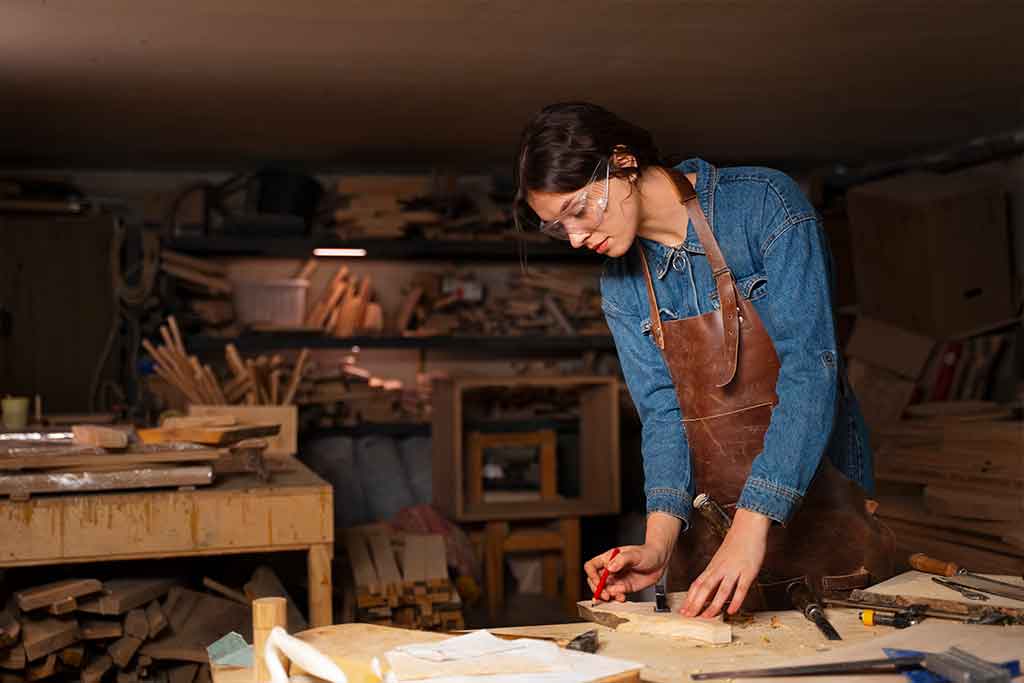

Now Reading: Building Confidence and Creativity: A Beginner’s Guide to Woodworking Crafts for Kids
-
01
Building Confidence and Creativity: A Beginner’s Guide to Woodworking Crafts for Kids
Building Confidence and Creativity: A Beginner’s Guide to Woodworking Crafts for Kids

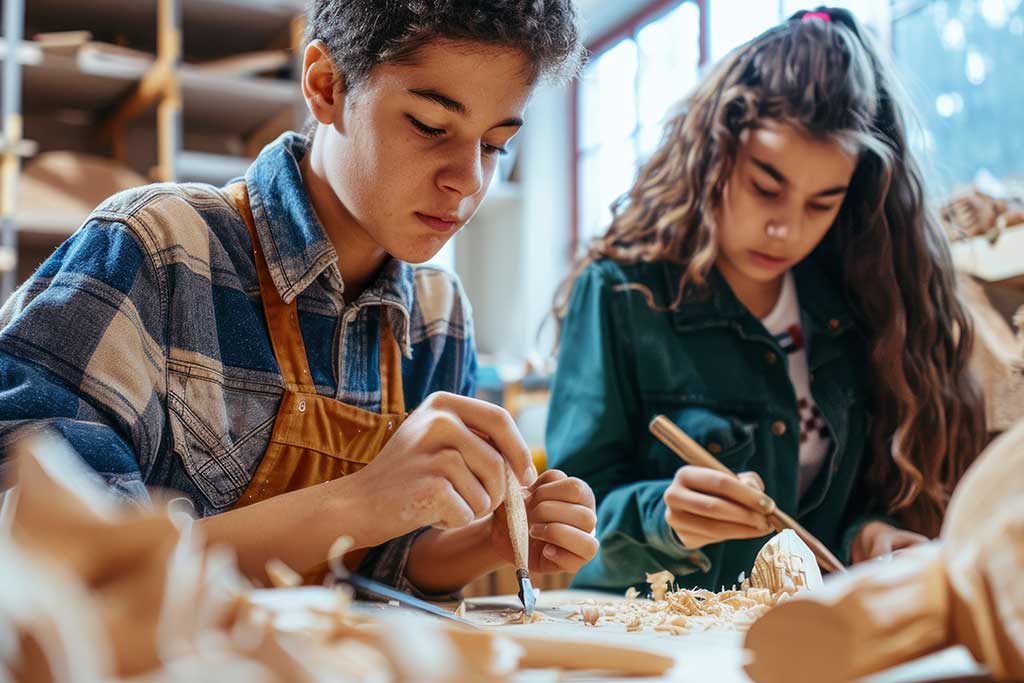

Efforts to promote kids' woodworking remain challenging as interest in screen-based activities continues to dominate. Supporters debate integrating more hands-on building into school curricula while balancing concerns over limited resources and time.
In a world filled with flashing screens and plastic toys, there is something incredibly special about the simple, solid feel of a piece of wood. The smell of sawdust, the sound of a gentle tap from a hammer, and the pride of creating something with your own two hands are experiences that can shape a child’s confidence and creativity in profound ways. Woodworking might seem like a daunting hobby to introduce to a child, but it doesn’t have to be about building intricate furniture or using powerful tools. At its heart, woodworking for kids is about the joy of making, the lessons of patience, and the magic of turning a raw material into a personal treasure.
The benefits of woodworking for children stretch far beyond the final product. When a child works with wood, they are engaging in a true hands-on learning activity. They learn to measure and calculate, which brings math to life in a tangible way. They develop problem-solving skills as they figure out how to join two pieces together or why a nail might be bending. Their fine motor skills get a wonderful workout as they grip a hammer, hold a nail steady, or sand a surface smooth. Perhaps most importantly, they learn patience and perseverance. Unlike a video game that offers instant rewards, woodworking is a process. It teaches that good things take time and that mistakes are not failures, but simply steps in the learning journey. The incredible sense of accomplishment they feel when they hold their finished birdhouse or toy car is a powerful boost to their self-esteem.
Before the first nail is ever struck, the most crucial step is setting the stage for safety. Creating a safe environment is what makes woodworking a fun and worry-free experience for everyone involved. The workspace should be a well-lit area, like a garage, patio, or even a corner of a room protected by a drop cloth. Good lighting helps children see what they are doing clearly. Explain that this is a “focus zone,” not a place for running or horseplay. The most important safety rule is about personal protective equipment. Always, without exception, children should wear safety glasses to protect their eyes from tiny wood chips or dust. A simple pair of well-fitting gloves can protect their little hands from splinters, and closed-toe shoes are a must.
When it comes to tools, you do not need a professional workshop. A few basic, child-friendly tools are perfect for getting started. Look for a small, lightweight hammer that is easy for them to swing with control. A few nails with large heads, like finishing nails, are easier to hold and hit. Sandpaper is a woodworker’s best friend, especially for little hands. Get a few different grits—a rougher one to smooth out big bumps and a smoother one to make the wood soft to the touch. Wood glue is fantastic for creating strong bonds without the need for nails. A simple ruler or tape measure and a pencil for marking cuts complete the basic kit. For cutting wood, it is best for an adult to do this with a saw, preparing the pieces in advance so the child can focus on the assembly and decoration.
Choosing the right wood is also important. Softwoods like pine or balsa wood are ideal because they are easy to sand and nail into. You can often find pre-cut pieces of wood at craft stores or ask for off-cuts at a local lumberyard, which are often free or very inexpensive. Avoid using wood that is pressure-treated, as it contains chemicals that are not safe for children. Starting with simple, sanded pieces of pine sets the stage for a successful first project.
One of the most wonderful and simple projects to begin with is creating a unique wooden creature. This project is all about imagination and requires no complex joinery. All you need are small, flat pieces of wood, which can be cut into various shapes—squares, triangles, rectangles, or even organic, abstract shapes. Give these pieces to your child along with some sandpaper and have them smooth every edge until the wood feels nice in their hands. This act of sanding is a calming and satisfying process in itself. Then, using non-toxic wood glue, they can stack and glue the pieces together to form an abstract sculpture, a funny robot, or a strange animal from their dreams. Once the glue is dry, they can paint their creation with bright, non-toxic acrylic paints. The final step is to give it a name and a story. This project teaches the basics of sanding and gluing, and the result is a one-of-a-kind piece of art.
Another classic project that never loses its charm is building a simple birdhouse. This project introduces the concept of construction and gives children a wonderful sense of purpose, as they are building a home for a living creature. An adult should pre-cut the five pieces needed for a basic house: a front, a back, two sides, and a roof. The child’s job is to sand every piece until they are smooth. Then, with adult help to hold the pieces steady, the child can practice their hammering skills to nail the walls together. Using wood glue along the edges before nailing will make the structure even stronger. The roof can be glued or nailed on. The most important part is the entrance hole, which should be pre-drilled by an adult to ensure it is the right size for local birds. Once assembled, the birdhouse can be painted in fun colors or left natural. Hanging the finished birdhouse in a tree and waiting for a feathered friend to visit is a reward that keeps on giving.
For children who love things that move, building a wooden race car is an exciting project. This introduces the concept of wheels and axles in a very hands-on way. You will need a small block of wood for the car body, four wooden wheels, and two thin dowels to act as axles. An adult can drill holes into the sides of the wooden block for the axles to fit into. The child’s role is to sand the block until it is aerodynamic and smooth. They can then sand the wheels to make sure they roll nicely. Assembling the car is a lesson in precision—gently tapping the axles through the wheels and into the holes in the car body. If the fit is a little loose, a small drop of glue will hold the axles in place. Once the car is assembled, the real fun begins as they decorate it with paint or markers and then test its speed on a homemade ramp.
As children become more comfortable with the basics, you can introduce slightly more complex projects that teach new skills. A small, rustic picture frame, for example, can be made by gluing together four popsicle sticks or thin pieces of wood into a square. A clothespin can be glued to the back to make a stand. This project is great for practicing making perfect right angles. Another fantastic project is a tool caddy. By nailing together three pieces of wood into a simple U-shape, children create something useful for carrying their own tools or art supplies. This teaches them about building a functional object that they can use every day.
Throughout all these projects, the role of the adult is not to build the project for the child, but to be a guide and a safety supervisor. It is about empowering them to do it themselves. Let them make choices about the design and the colors. If a nail bends, help them figure out how to pull it out and try again. If a piece of wood splits, show them how wood glue can often fix the problem. The goal is the process, not a perfect product. The little imperfections are what make their creation unique and tell the story of how it was made.
In conclusion, introducing a child to woodworking is a gift that teaches them about their own capabilities. It is a quiet, focused, and deeply rewarding activity that builds a foundation of practical skills, creative thinking, and unwavering self-confidence. So, gather some simple tools, find a few pieces of soft wood, and embark on a building adventure with your child. You will not just be making a birdhouse or a toy car; you will be building memories, fostering resilience, and helping them discover the incredible satisfaction of saying, “I made this myself.” The sawdust will wash away, but the pride and the lessons learned will last a lifetime.
Previous Post
Next Post





Advertisement

Advertisement