

















Now Reading: The Solo Traveler’s Secret Weapon: How a Good Guide Ensures Safety & Enriches Your Journey
-
01
The Solo Traveler’s Secret Weapon: How a Good Guide Ensures Safety & Enriches Your Journey
The Solo Traveler’s Secret Weapon: How a Good Guide Ensures Safety & Enriches Your Journey

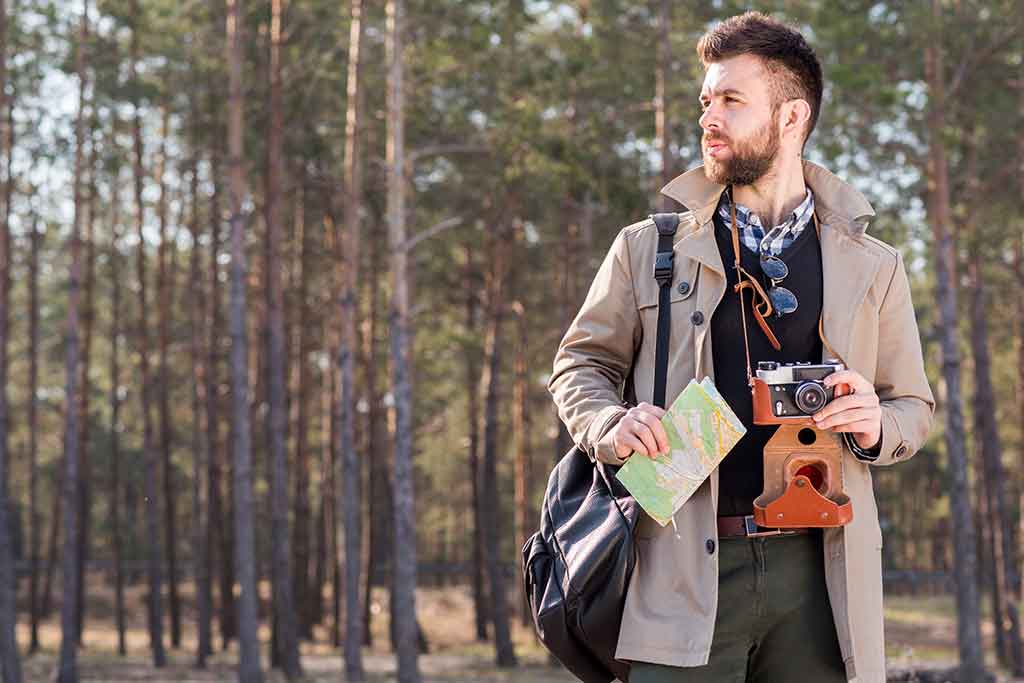
For the solo traveller, a local guide is more than a helper—they are a safety net, a cultural bridge, and a curator of unique experiences. They provide the security and deep local knowledge that transforms a solitary trip into a rich, confident, and deeply connected journey.
There is a unique magic to travelling alone. It is a conversation with yourself, a test of your independence, and a chance to write your own story, uninterrupted. For many in India, where travel is often a family affair, the idea of solo travel can be both thrilling and intimidating. Questions from loved ones echo in our minds: “But will you be safe?” “What will you do all alone?” “What if you get lost?” These concerns are valid, but they should not hold you back from one of life’s most rewarding experiences.
What if you had a secret weapon? A tool that not only silenced these worries but transformed your solo trip from a simple holiday into a profound journey of discovery? This weapon is not a fancy gadget or a thick guidebook. It is a person: a good local guide.
Many solo travellers, in their quest for ultimate independence, see a guide as a crutch or an unnecessary expense. They believe that true adventure means figuring everything out on their own. But the wisest solo travellers understand something else entirely. A guide is not a barrier to freedom; they are the key that unlocks a deeper, safer, and far more enriching kind of freedom. Let’s explore how a good guide becomes the solo traveller’s most powerful ally.
Your Guardian in an Unfamiliar Land: The Safety Net That Lets You Soar
When you travel alone, especially as a woman or a first-time traveller, safety is the number one concern. It is the background noise that can sometimes dampen the joy of exploration. A good guide acts as a powerful mute button for that anxiety.
Imagine arriving in a new city late at night. Navigating public transport to find your hotel can be a source of stress. Now, imagine being greeted at the station by a friendly, knowledgeable local face who ensures you get to your accommodation safely. The relief is immediate. This is the first layer of safety a guide provides. They have the local knowledge to advise you on which neighbourhoods are best to stay in, which areas to avoid after dark, and how to navigate local transport like a pro.
They are also your cultural bodyguard. In a country as diverse as India, customs and social norms can change dramatically every few hundred kilometres. A local guide can give you gentle advice on appropriate clothing for a temple, the respectful way to behave in a monastery, or how to interact with local communities without causing unintended offence. This cultural awareness prevents uncomfortable situations and helps you blend in with respect.
Furthermore, in case of any emergency—a sudden illness, losing your wallet, or any unexpected trouble—a guide is your first point of contact. They know the best local doctors, can help you communicate at a police station, and can assist in navigating local systems that might be challenging for an outsider. This safety net is invaluable. It does not mean you are incapable; it means you are smart. It allows you to relax, be present, and explore with a confidence that comes from knowing you have a reliable ally by your side.
The End of Loneliness: Your Bridge to Meaningful Connections
One of the few downsides of solo travel is the potential for loneliness. While solitude can be beautiful, there are moments when you wish you had someone to share a beautiful sunset with or to exclaim over the taste of a delicious local dish.
A guide fills this space perfectly. They are more than just an instructor; they become your first friend in a new city. They eat with you, walk with you, and share stories with you. The long train journeys or car rides become opportunities for fascinating conversations about their life, their culture, and their perspectives. This human connection is a warm and welcome contrast to the silence of travelling completely alone.
More importantly, a guide is your bridge to the wider community. While it is possible to strike up a conversation with a local shopkeeper, it is much easier and more natural when you have a guide to introduce you. They can take you to a local tea stall and have the owner tell you about his day. They can facilitate a visit to a family home for a traditional meal, an experience you would never get by yourself.
These genuine interactions are the antidote to touristy isolation. You are no longer just a face in the crowd. You become a guest. You share laughs, stories, and moments that are far more memorable than any monument. The journey becomes about people, not just places, and that makes all the difference.
Going Beyond the Guidebook: The Curator of Authentic Experiences
As a solo traveller, you have the freedom to follow your interests. But how do you find what truly interests you in a place you have never been? You can read blogs and guidebooks, but they offer a generic, one-size-fits-all approach. A guide, on the other hand, is a master curator.
Tell a good guide that you love history, and they will not just take you to the main fort. They will take you to a hidden section of the fort wall and tell you a forgotten story about a battle that changed the region. They will point out a tiny, centuries-old carving that most people rush past. They bring the stones to life.
If your passion is food, a guide is your golden ticket. They will not take you to the fancy restaurant recommended for tourists. They will take you to the tiny, family-run street food stall that has been making the same perfect kachori for three generations. They will order for you, explain the ingredients, and ensure the hygiene is safe, allowing you to indulge without fear.
Perhaps you are a nature lover. A guide knows the best trails for a morning hike, the perfect time to spot birds in a sanctuary, and the hidden waterfalls that are not on the map. They enrich your experience with knowledge about local flora and fauna, turning a simple walk into an educational safari.
This personalised curation saves you the immense time and energy you would otherwise spend on research and trial-and-error. It means that your limited time is spent on high-quality, meaningful experiences that are tailored just for you. Your trip becomes a unique story, written by you and your guide together.
Practical Peace of Mind: Saving Time, Money, and Stress
Let’s talk about the practical headaches of solo travel. Figuring out local bus routes, haggling with taxi drivers who might overcharge a solo tourist, standing in long ticket queues, and getting lost in a maze of streets—these activities consume valuable time and mental energy.
A good guide eliminates these frustrations. They handle the logistics. They know the most efficient routes, can pre-purchase entry tickets to skip long lines, and can arrange reliable and fairly-priced transport. This is not just a convenience; it is a huge stress reliever.
When you are alone, every logistical challenge is magnified. There is no one to watch your bag while you buy a ticket. There is no one to double-check the map with. A guide takes on this burden. This practical support frees up your mind to focus on what truly matters: absorbing the beauty around you, taking photographs, journaling, or simply being in the moment.
From a financial perspective, while hiring a guide is an upfront cost, it can often save you money in the long run. Guides have access to local prices, not tourist prices. They can prevent you from falling into traps, getting overcharged for souvenirs, or wasting money on mediocre, overpriced food. They help your budget go further, ensuring it is spent on genuine value.
How to Find Your Perfect Guide Ally
Finding the right guide is crucial. Your chemistry with them can make or break your experience. Here are a few simple tips:
- Seek Recommendations: Ask friends or family who have travelled to your destination. Personal referrals are often the best.
- Use Reputable Platforms: Websites like TripAdvisor, TourHQ, or even dedicated travel agencies allow you to read reviews from other travellers.
- Look for Specialisation: Some guides specialise in heritage walks, food tours, or adventure trips. Find one whose expertise matches your interest.
- Communicate beforehand: Once you shortlist a guide, have a conversation with them. It could be an email or a phone call. Tell them about yourself, your travel style, and what you hope to get from the trip. A good guide will listen, ask questions, and show enthusiasm for creating a personalised plan for you. Trust your instincts during this conversation.
In conclusion, solo travel is not about proving you can do everything alone. It is about crafting an experience that is deeply personal, fulfilling, and joyful. A good local guide is the secret weapon that empowers you to do just that. They provide the safety that lets you explore with confidence, the companionship that wards off loneliness, and the local knowledge that unlocks the soul of a place. So, on your next solo adventure, embrace this smart form of independence. Hire a guide, and watch your journey transform from a simple trip into an unforgettable story of connection and discovery.
- Advantage Sample 1
- Disadvantage Sample 1
Related Posts
Stay Informed With the Latest & Most Important News
Previous Post
Next Post




Advertisement

Advertisement