












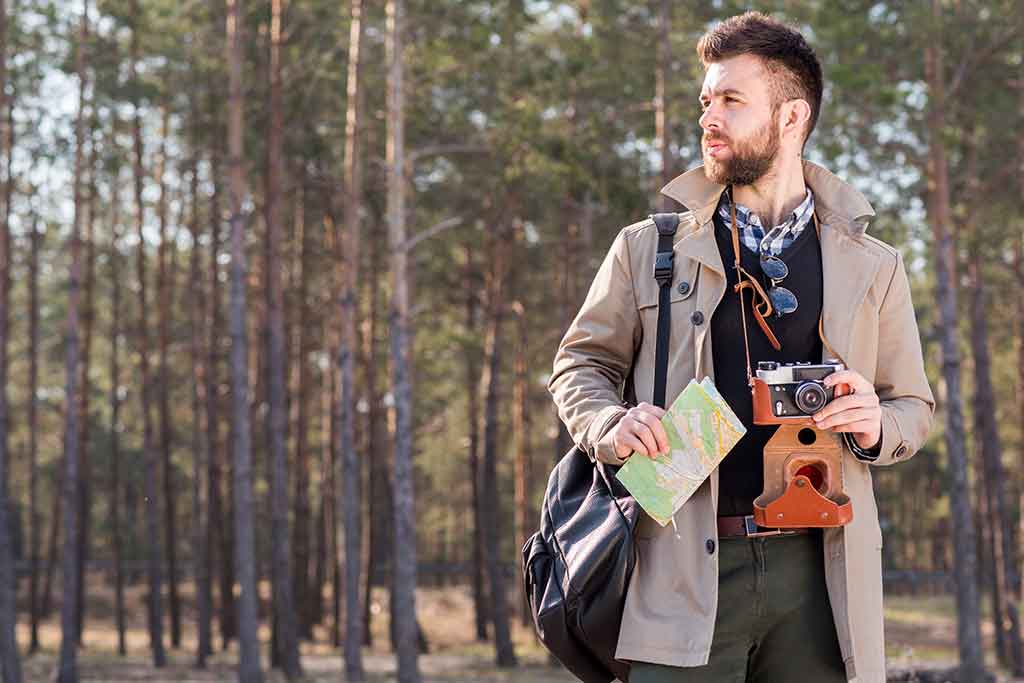








Now Reading: Don’t Just Be a Tourist: 5 Reasons a Local Guide is Your Key to an Authentic Experience
-
01
Don’t Just Be a Tourist: 5 Reasons a Local Guide is Your Key to an Authentic Experience
Don’t Just Be a Tourist: 5 Reasons a Local Guide is Your Key to an Authentic Experience

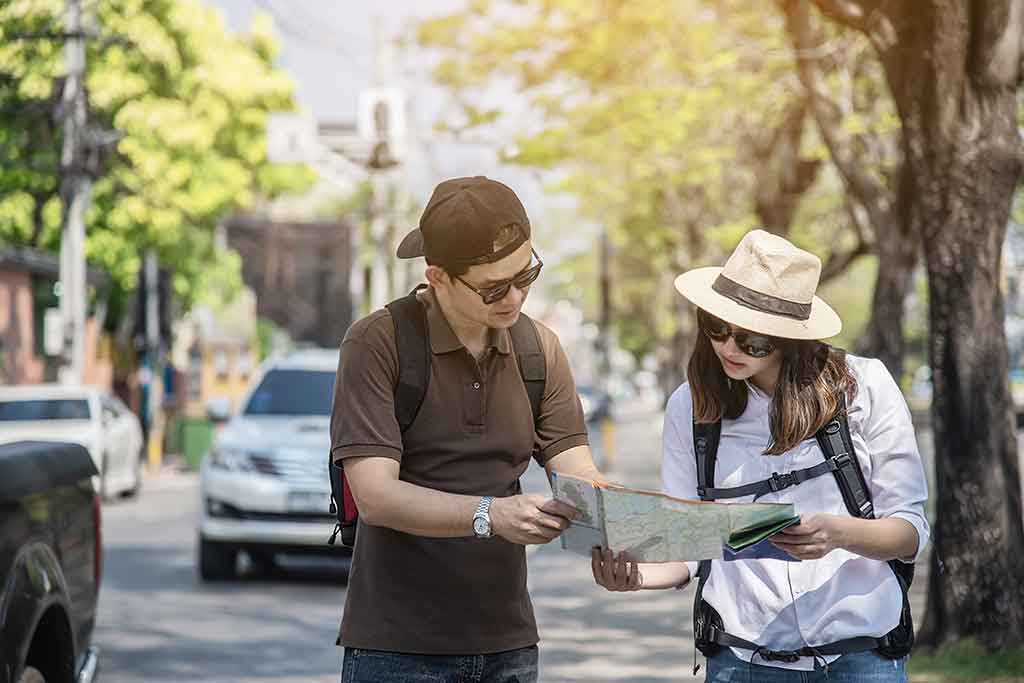

Move beyond standard tours. A local guide unlocks a destination's hidden soul, ensuring authentic cultural experiences, saving you time and stress, and providing safety. They transform your trip from simple sightseeing into a journey of deep connection and unforgettable stories.
Have you ever returned from a holiday, looked at your photos, and felt like something was missing? The pictures are beautiful, you saw all the famous spots, but the heart of the place, its true spirit, feels just out of frame. You followed the guidebook, but the destination itself remained a stranger. This is the difference between being a tourist and a traveller. And the secret to making that leap is often a single, wonderful person: the local guide.
For many of us, the idea of hiring a guide can seem like an unnecessary expense. We think, “With the internet and Google Maps, why do I need one?” But a true local guide is so much more than a walking map. They are a key—a key that unlocks the hidden doors of a city, revealing the life, stories, and flavours that you would never find on your own. They transform a standard trip into a journey filled with meaning and memory.
Let’s explore the five powerful reasons why investing in a local guide is the best decision you can make for your next adventure.
1. They Take You Beyond the Brochure: Discovering the Soul Behind the Sights
When you visit the Taj Mahal, you see a magnificent building. You learn about Shah Jahan’s love for Mumtaz. It is breathtaking. But what about the story of the local artisan whose family has been crafting marble inlay for generations in a small workshop in Agra? A local guide can take you there.
A guide does not just show you the “what”; they explain the “why” and the “how.” They connect the monument to the people who built it and the community that lives around it today. They can take you through the bustling, ancient lanes of Varanasi and explain the spiritual significance of each ghat, making you feel the city’s pulse rather than just observing it from a boat.
They know that the real magic often happens away from the crowded selfie spots. It is in the small, family-run eatery in Delhi that serves the best butter chicken you will ever taste. It is in the quiet temple in a corner of Madurai that is not in any popular itinerary but holds immense peace and architectural beauty. A guide curates these experiences for you, ensuring you see the destination through the eyes of someone who calls it home. You do not just see the sights; you understand their context in the tapestry of local life, making your visit infinitely richer and more personal.
2. They Are Your Bridge to Culture and Connection
Travel is about people as much as it is about places. As Indians, we know that our culture is deep and often layered with unspoken rules and beautiful traditions. The same is true for every destination, whether you are exploring the tribal cultures of Nagaland or the coastal communities of Kerala.
A local guide acts as your cultural translator. They help you navigate not just the language, but also the customs. They can teach you a few polite words in the local dialect, show you the proper way to greet an elder, or advise you on the dress code for a sacred site. This knowledge is a sign of respect, and when locals see you making an effort, they open up in ways you cannot imagine.
Instead of being an outsider looking in, you become a welcomed guest. A guide can facilitate a conversation with a chaiwala about his life, introduce you to a weaver who can explain the patterns in her saree, or help you join a local festival celebration. These genuine human interactions are the moments that stay with you forever. They break down barriers and create a two-way exchange of warmth and curiosity. You move from being a spectator to a participant, and that is a truly transformative experience.
3. They Save You Time, Money, and Stress
Let us be practical. Holidays are precious, and our time and money are limited. Wandering aimlessly, getting lost in confusing lanes, falling into tourist traps that serve mediocre food at high prices—these experiences can drain your energy and your wallet.
A local guide is your chief efficiency officer. They know the best routes to avoid traffic, the right time to visit a popular monument to skip the long queues, and the most reliable shops where you can buy authentic souvenirs without being overcharged. Think about it: in a new city, you might spend an hour figuring out the local transport to get to one place. A guide can streamline your entire day, taking you to three times as many meaningful spots in the same amount of time, often using their local knowledge of shortcuts and transport options.
This planning is not just about ticking boxes. It is about reducing decision fatigue. When every meal, every commute, and every activity is a new puzzle, it can be exhausting. A guide lifts that burden from your shoulders. You can relax, be present in the moment, and truly soak in your surroundings, confident that the logistics are being handled by an expert. This peace of mind is invaluable and allows you to actually enjoy the holiday you worked so hard for.
4. They Ensure Your Safety and Provide a Safety Net
This is a particularly important point for families with children, senior citizens, and especially for women travelling alone. A new place, no matter how wonderful, can present unforeseen challenges. Is this area safe to walk in after dark? Is the water from this stall safe to drink? Which taxi drivers are trustworthy?
A local guide provides a profound sense of security. They are your knowledgeable companion who understands the local landscape, both physically and socially. They can advise you on which areas to avoid, help you navigate any language barriers in case of an emergency, and are a familiar face in an unfamiliar environment. If you were to fall ill, a guide would know the best local doctor or clinic. If you lose your wallet, they can help you deal with the local police station.
They are your safety net, allowing you to explore with confidence. This is not about creating fear; it is about fostering freedom. When you feel safe, you are free to explore more deeply, to wander down that intriguing-looking lane, and to engage with the world around you without constant anxiety. For your family back home, knowing you have a reliable local with you is a huge relief.
5. They Bring Stories to Life and Make Learning an Adventure
For children and young adults, travel can sometimes feel like a boring history lesson. Reading a plaque about a 500-year-old fort is one thing. But hearing a guide dramatically recount the tale of a brave king’s last stand on that very fort wall, pointing to the exact spot where it happened—that is an experience that sparks the imagination.
A good guide is a storyteller. They do not just list dates and facts; they weave narratives that make the past feel vivid and immediate. They can explain the science behind the architecture of a stepwell, the mythology carved into the walls of a Khajuraho temple, or the ecological secrets of the Sundarbans mangrove forest. This turns a sightseeing trip into a living, breathing adventure.
This is equally enriching for adults. It fosters a deeper appreciation for the world. You return home not just with photos, but with knowledge and stories that have changed your perspective. A guide helps you connect the dots between history, geography, art, and culture, providing a holistic understanding that is both educational and deeply entertaining. It makes your journey intellectually stimulating and personally rewarding.
How to Find the Right Guide for You
Finding a good guide is easier than ever today. You can look for certified guides on government-approved tourism websites or on reputable travel platforms. Reading reviews on sites like TripAdvisor is very helpful. For a more personal touch, ask for recommendations from friends or family who have visited the place. When you find a potential guide, have a conversation with them beforehand. Tell them your interests—be it food, history, photography, or nature—and see if they can tailor an experience for you. A good guide will be enthusiastic and full of ideas.
In conclusion, a local guide is not a luxury; they are an investment in a richer, safer, and more meaningful travel experience. They are the key that unlocks the true essence of a destination. On your next trip, go beyond the brochure. Hire a local guide, and do not just be a tourist—become a traveller. You will bring back not just souvenirs, but stories that will become a part of your own life’s narrative.
- Advantage Sample 1
- Disadvantage Sample 1
Previous Post
Next Post





Advertisement

Advertisement