



















Now Reading: Vastu Meets Vintage: How to Blend Traditional Indian Elements with Modern Minimalism
-
01
Vastu Meets Vintage: How to Blend Traditional Indian Elements with Modern Minimalism
Vastu Meets Vintage: How to Blend Traditional Indian Elements with Modern Minimalism

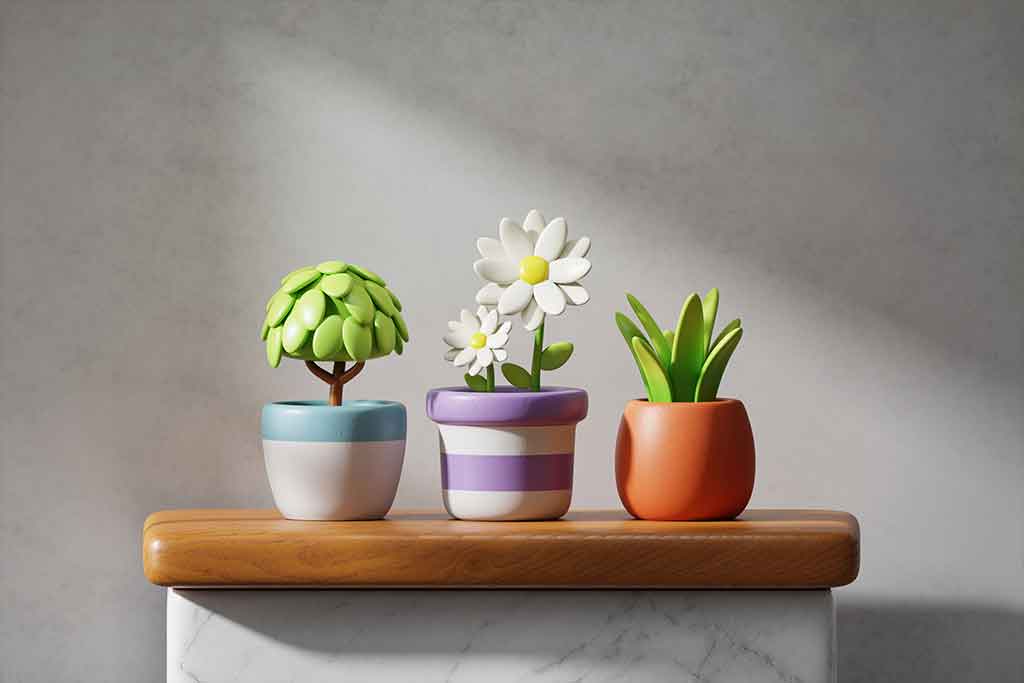

Blend calm modern minimalism with warm Indian heritage. Learn to use Vastu principles as a guide and showcase vintage pieces as bold focal points, creating a home that is serene, soulful, and uniquely yours.
Imagine coming home. The space feels instantly calm—clean lines, uncluttered surfaces, a soothing palette of whites and greys. This is the modern minimalist sanctuary many of us crave. But then, your eye lands on a beautifully worn, century-old wooden chest from your grandmother’s house. Your heart swells with a connection to history, to story, to warmth. A silent question arises: “Does this belong here? Will it ruin the calm?”
For the modern Indian homeowner, this is a common dilemma. We are pulled in two directions. One leads towards the global appeal of modern minimalism—a style that promises peace, order, and visual rest in our chaotic lives. The other leads back home, to the rich, textured, and spiritually-aligned world of traditional Indian design and Vastu Shastra. We often see these as opposites: one is sparse, the other is ornate; one is neutral, the other is vibrant; one is new, the other is old.
But what if they aren’t opposites at all? What if the clean canvas of minimalism is the perfect stage to showcase the soulful depth of vintage Indian pieces? And what if the ancient wisdom of Vastu can actually guide us to create a minimalist space that feels not just empty, but energetically full and balanced?
This is the art of blending “Vastu Meets Vintage.” It’s not about creating a theme park of Indian decor. It’s about a thoughtful, personal fusion where a few carefully chosen traditional elements tell their story powerfully against a minimalist backdrop, all within a framework of positive energy flow. Let’s explore how to make this beautiful blend work in your home.
Part 1: Understanding the Harmony (Not the Conflict)
Before we place a single object, let’s reframe our thinking.
Modern Minimalism is not about being empty or cold. At its core, it’s the philosophy of “less but better.” It values functionality, quality, and intentionality. Every item must earn its place. It reduces visual noise to help you focus on what truly matters.
Traditional Indian & Vintage Elements bring in the concepts of story, craft, and spirit. A hand-carved door isn’t just a table; it’s a piece of a village artisan’s lifetime skill. A brass diya isn’t just decor; it’s a symbol of light and purity. These pieces carry a warmth and energy that mass-produced items cannot.
Vastu Shastra, the ancient science of architecture and placement, is ultimately about harmony. It guides the flow of light, air, and energy (prana) through a space to promote the well-being of its inhabitants. It’s about creating an environment that supports your life, not clashes with it.
See the connection? Minimalism asks “What is essential?” Vastu asks “Where is it most supportive?” And vintage pieces answer “This is meaningful.” Together, they can create a home that is calm, purposeful, and deeply soulful.
Part 2: The Vastu Canvas – Setting a Minimalist, Energetic Foundation
First, use Vastu principles to set up your minimalist base. This isn’t about rigid rules, but sensible, energetic guidelines.
1. The Commanding Centre: The Brahmasthan
- Vastu Principle: The central zone of your home (Brahmasthan) should be kept open, light, and clutter-free. It is considered the energy heart of the house.
- Minimalist Fusion: This is a natural match! Keep this area completely open. A clean floor, perhaps with a beautiful Rajasthani rug defining the space rather than cluttering it, is perfect. Allow light from skylights or central lighting to fill this zone. This creates a powerful, calming vortex in your home.
2. The Elemental Balance: Directions & Materials
- Vastu Principle: Each direction is linked to an element (e.g., Northeast – Water, Southeast – Fire, Southwest – Earth).
- Minimalist Fusion: Use this to guide your material palette in a minimalist way.
- Northeast (Water): Keep this zone especially light, clean, and airy. A single, stunning vintage kalash (pot) or a modern water feature here aligns perfectly.
- Southwest (Earth): This zone should feel grounded. Use a single, substantial vintage piece here—like a solid wooden trunk or a stone sculpture—on a clean, bare floor. This provides the “weight” and stability Vastu recommends without visual clutter.
- Southeast (Fire): The kitchen zone. Here, minimalist principles of clean countertops marry with Vastu’s preference for keeping this area vibrant. Use vintage copper utensils or a traditional jaali (lattice) screen as a functional art piece.
3. The Flow of Light & Air
- Vastu Principle: Ample natural light and cross-ventilation are paramount for positive energy (prana).
- Minimalist Fusion: Minimalism thrives in well-lit spaces. Use sheer, unadorned cotton curtains (like traditional malmal but in a simple cut) to allow light while softening the view. Keep windowsills clear. A single vintage stained glass piece in a window can become a breathtaking focal point as the sun shines through.
Part 3: The Art of Curation – Placing Vintage in a Minimalist Space
This is where your personal story comes in. The key is selective highlighting, not collective filling.
The “One Hero” Rule per Zone:
In a minimalist living room, don’t line up ten brass statues. Choose one. A magnificent, antique wooden pillar (from an old haveli) mounted on a wall becomes a stunning sculptural piece. A vintage Patachitra scroll, framed simply with ample white matting, turns into a modern graphic artwork.
Texture is Your Secret Language:
Minimalist spaces can risk feeling sterile. Vintage Indian elements bring irreplaceable texture.
- Let a rough, hand-hewn wooden dining table stand proudly on a smooth, polished concrete floor.
- Drape a single, exquisite vintage Kanjeevaram silk sari over a plain linen sofa. Feel the contrast between the intricate zari and the simple weave.
- Place a deeply weathered terracotta pot holding a single, architectural Monstera plant in a corner.
Color as an Accent, Not a Theme:
Move away from the idea that “Indian” means every color at once. Let your walls, floors, and large furniture be in a neutral, minimalist palette (whites, beiges, greys, earthy tones).
Then, introduce color through your vintage heroes:
- A vibrant blue Pichwai painting.
- A pair of crimson lacquer turned-wood stools.
- A stack of cobalt blue antique glass bottles.
The color sings loudly and meaningfully against the quiet background.
Repurpose with Purpose:
This is the heart of “Vintage” in a modern context. Don’t use items just as they were.
- An old wooden charpai (rope bed): Remove the legs, add a glass top, and it’s a unique, conversation-starting coffee table.
- A vintage sari or shawl: Frame it in a large, simple frame as a textured wall art.
- Old brass measuring vessels (naapne): Use them as minimalist vases for dry pampas grass or a single stem.
- A traditional grain storage box (patli): Clean it up to become a sleek side table with incredible history.
Part 4: Room-by-Room Synergy – Practical Fusion Ideas
Living Room (The Soul of the Home):
- Vastu Tip: The living room is best in the North, East, or Northeast. Place seating so guests face North or East.
- Fusion Idea: A low, modern sofa in a neutral fabric. In front of it, place a vintage wooden peedi (stool) as the central coffee table. On one wall, a large, simple grid of black-and-white family photographs in identical frames. On the main wall, a single, magnificent antique wooden temple toran (arch) or a giant, simple wall hanging in natural hemp.
Bedroom (The Sanctuary of Rest):
- Vastu Tip: The master bedroom is ideal in the Southwest. The bed should be placed with a solid headboard against the South or West wall.
- Fusion Idea: A minimalist platform bed with clean lines. Dress it with crisp, white cotton bedding. At the foot of the bed, drape a vintage phulkari or kalamkari dupatta. On the headboard wall, install two simple sconces, flanking a small, carved wooden window frame (from an old house) serving as a frame for a small piece of art or a mirror.
Puja Corner (The Spiritual Heart):
- Vastu Tip: The Northeast corner is the most auspicious for the puja space.
- Fusion Idea: This is where tradition can shine brightly. But keep it minimalist in its arrangement. Instead of a crowded shelf, use a single, beautiful vintage wooden cupboard or wall niche. Place only one or two deities or symbols. Use a simple brass diya and a single flower in a small vase. The focus becomes deep devotion, not visual clutter.
Entryway (The First Impression):
- Vastu Tip: The entry should be bright, welcoming, and clutter-free to allow positive energy to enter.
- Fusion Idea: A clean console table. Above it, a large, simple round mirror (to expand space). On the table, just two items: a vintage brass bell and a single, stunning piece of fossil stone or a geometric crystal. A small vintage dhurrie rug defines the space.
Part 5: The Mindset – Living the Fusion
This blend is more than decor; it’s a philosophy.
- Choose with Love, Not Obligation: You don’t have to display every heirloom. Keep only the pieces that speak to you. Store or pass on the rest. This is true minimalism and respectful curation.
- Quality Over Quantity: Invest in one authentic, well-crafted vintage piece rather than ten machine-made “ethnic-look” items. Its energy and beauty will be undeniable.
- Space is a Element Too: In this fusion, the empty space—the shunya—around a vintage object is what gives it power. Let each piece breathe.
- It’s a Journey, Not a Destination: Start with one corner. Live with it. See how the light falls on your grandmother’s trunk in the morning. Feel the energy of the space. Adjust and add slowly.
Conclusion: A Home for Your Modern Indian Soul
“Vastu Meets Vintage” in a minimalist framework is the perfect expression of the contemporary Indian identity. We are global citizens who cherish our roots. We seek peace but crave connection. We value design but need meaning.
This fusion creates a home that is not a museum of the past, but a living, breathing space where every modern line is softened by a story, and every ancient symbol is given room to resonate. It’s where the clean, open space of minimalism allows the positive flow of Vastu, and the warmth of vintage pieces fills that space with soul.
So, look at that old wooden chest again. See it not as clutter, but as a potential hero. Place it deliberately, light it beautifully, and let it stand alone in its glory. You haven’t broken the minimalist code. You have completed it. You have built a sanctuary that is truly, deeply yours.
Previous Post
Next Post




Advertisement

Advertisement