

















Now Reading: Beyond ABCs and Katha: Blending Indian Values with 21st-Century Parenting
-
01
Beyond ABCs and Katha: Blending Indian Values with 21st-Century Parenting
Beyond ABCs and Katha: Blending Indian Values with 21st-Century Parenting



Indian parenting today is a beautiful blend of ancient wisdom and modern skills. Learn how to weave values from our epics like Dharma and Seva into daily life, using stories, dialogue, and love to raise children who are both globally competent and deeply rooted in their rich cultural identity.
We all know the scene. A grandfather is lovingly telling his wide-eyed granddaughter the story of young Krishna eating mud and then revealing the entire universe in his mouth. It’s a tale of wonder, of divinity, of a mother’s love and a child’s limitless potential. Fast forward an hour, and that same little girl is expertly swiping through a tablet, watching a video about the solar system, her tiny finger pointing at Jupiter.
For a moment, as a parent or a grandparent, you might feel a tug of war. Is the tablet overshadowing the katha? Is modern science erasing our ancient wisdom? This, in essence, is the central dilemma of parenting in India today. We are standing at a unique crossroads, with one foot in the rich, spiritual soil of our traditions and the other in the fast-paced, digital river of the 21st century.
But what if this isn’t a battle? What if it’s a beautiful, if sometimes challenging, opportunity for fusion? The goal of modern Indian parenting is not to choose between the Mahabharata and Minecraft, but to build a bridge between them. It’s about raising children who are globally competitive yet locally rooted, who can code with confidence but also understand the value of compassion, who are as comfortable in a boardroom as they are in a puja room. This journey is about moving beyond just teaching the ABCs and reciting kathas; it’s about weaving their core lessons into the very fabric of our children’s identities.
The Foundation: What Are We Trying to Build?
Before we can build this bridge, we need to be clear about its pillars. What are the timeless Indian values that we want to preserve, and what are the 21st-century skills our children cannot do without?
Our cultural heritage offers a profound blueprint for life. Think of the values embedded in the stories we grew up with. From the Ramayana, we learn Dharma – the importance of duty, righteousness, and doing the right thing even when it’s difficult. The concept of Karma teaches personal responsibility; that our actions, good or bad, shape our destiny. Respect for elders (Guru-Shishya parampara) isn’t about blind obedience; it’s about humility and the willingness to learn from the experience of those who came before us. Seva, or selfless service, teaches empathy and community well-being. And Jugaad is our native genius for innovation and finding frugal, simple solutions to complex problems.
On the other side of the bridge are the essential skills for the modern world. Critical Thinking is the ability to question, analyze, and not accept information at face value – a crucial tool in the age of fake news. Emotional Intelligence is the capacity to understand and manage one’s own emotions and to relate empathetically with others. Global Citizenship is the awareness that we are part of a larger world, with responsibilities towards the planet and its diverse people. Adaptability and Resilience are the muscles that allow our children to bounce back from failure and thrive in a constantly changing environment. Digital Literacy goes beyond knowing how to use an app; it’s about using technology safely, productively, and creatively.
The magic happens when we realise that these two lists are not opposites. In fact, they complement each other perfectly.
The Bridge in Action: Weaving Values into Daily Life
So, how do we make this blend a living, breathing part of our family life? It’s about reframing our approach and finding the connections in everyday moments.
From Obedience to Dialogue: The Dharma of Critical Thinking
The traditional model was often one of command: “Because I said so.” In a world where children have access to infinite information, this approach can create friction or, worse, stifle their curiosity. Instead, we can shift towards a model of dialogue, linking it to the very Indian concept of questioning.
Remember young Nachiketa from the Upanishads, who fearlessly questioned Yama, the god of death? Or the countless philosophical debates in our ancient texts? Questioning is a deeply Indian tradition. We can encourage this. When your child questions a rule, instead of shutting them down, engage. Ask, “Why do you think this rule exists?” or “What would be a fair alternative?” This doesn’t mean you let them run the house. It means you guide them to understand the reason behind the rule – the ‘Dharma’ of the situation. You are teaching them to think, not just obey. This builds a foundation of critical thinking rooted in the understanding of right and wrong.
From Marks to Mastery: The Karma of Learning
The pressure for academic excellence in India is immense. Report card day can feel like a day of judgment. While doing well in studies is important, an exclusive focus on marks can create immense anxiety and kill the innate joy of learning. This is where we can introduce the true spirit of Karma – focusing on the action, not the fruit.
Praise the effort, the hard work, the strategy your child used to solve a problem, not just the 95% on the test. Say, “I am so proud of how you persevered with that math problem,” rather than just “You are so smart.” When they fail, instead of scolding, talk about what they learned from the experience. Frame it as a step in their journey, not a final destination. This teaches resilience. It shifts their identity from “I am a 90% person” to “I am a person who works hard and learns from my mistakes.” This mindset is what will help them master any subject, not just memorize it for an exam.
From Puja Room to the Living Room: Seva in a Digital Age
The concept of Seva is often associated with going to a temple or a community kitchen. But we can bring it into our daily lives in small, powerful ways. Empathy and service start at home. Involve your child in small acts of kindness within the family – making a cup of tea for a tired grandparent, helping a sibling with homework, sharing their toys without being told.
In the digital world, translate this into being a good digital citizen. Teach them that Seva online means not being a bystander to cyberbullying, reporting harmful content, and using their voice to spread positivity. Explain that the person on the other side of the screen is a real human being with real feelings. Connect the dots for them: the same respect you show your elders is the respect you should show everyone in your online interactions.
Stories as Superfood for the Soul: The Modern Katha
Our epics and folk tales are not just religious texts; they are treasure troves of psychology, philosophy, and life lessons. The key is to make them interactive and relatable.
Don’t just tell the story of the Ramayana; discuss it. Ask your child, “What would you have done if you were Rama when he was asked to go to the forest?” or “How do you think Sita felt?” This builds emotional intelligence. Draw parallels to their lives. Hanuman’s selfless devotion and immense strength can be a metaphor for discovering our own inner power. Arjuna’s focus on the eye of the fish is a classic lesson in concentration, as relevant for an archer as it is for a student preparing for an exam.
And don’t stop at our own stories. Use modern movies like ‘Chhichhore’ to talk about resilience and the perils of academic pressure, or ‘Taare Zameen Par’ to discuss different learning styles and unconditional love. The katha has evolved; its purpose remains the same.
Navigating the Modern Minefield: Screens, Social Media, and More
No discussion on 21st-century parenting is complete without addressing the elephant in the room: technology.
Technology as a Tool, Not a Toy
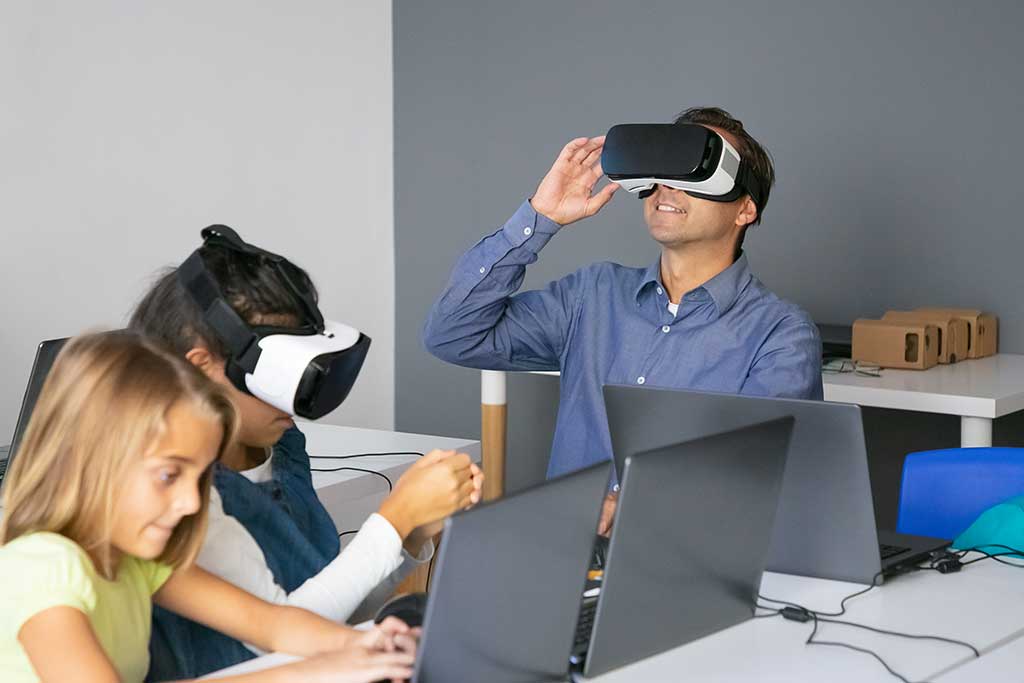
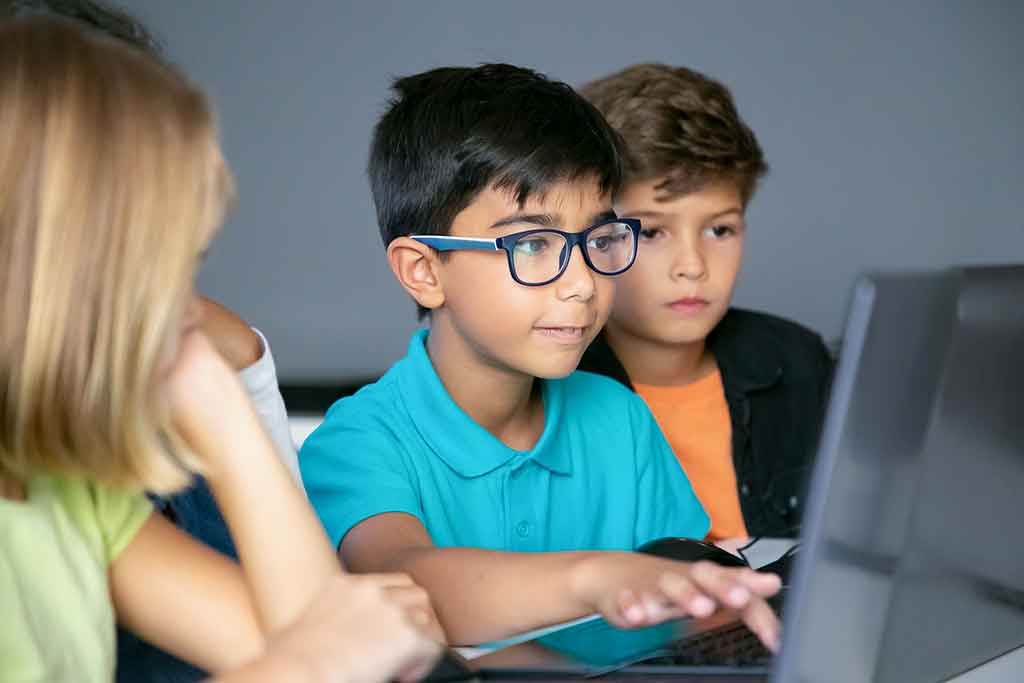
The goal is not to demonize screens but to demystify them. Just as we teach a child to cross the road safely, we must teach them to navigate the digital world. Set clear, consistent boundaries for screen time, but more importantly, be involved in their digital world. Play a video game with them. Watch a YouTube video together. Show genuine interest. This gives you a natural window to discuss what they are consuming.
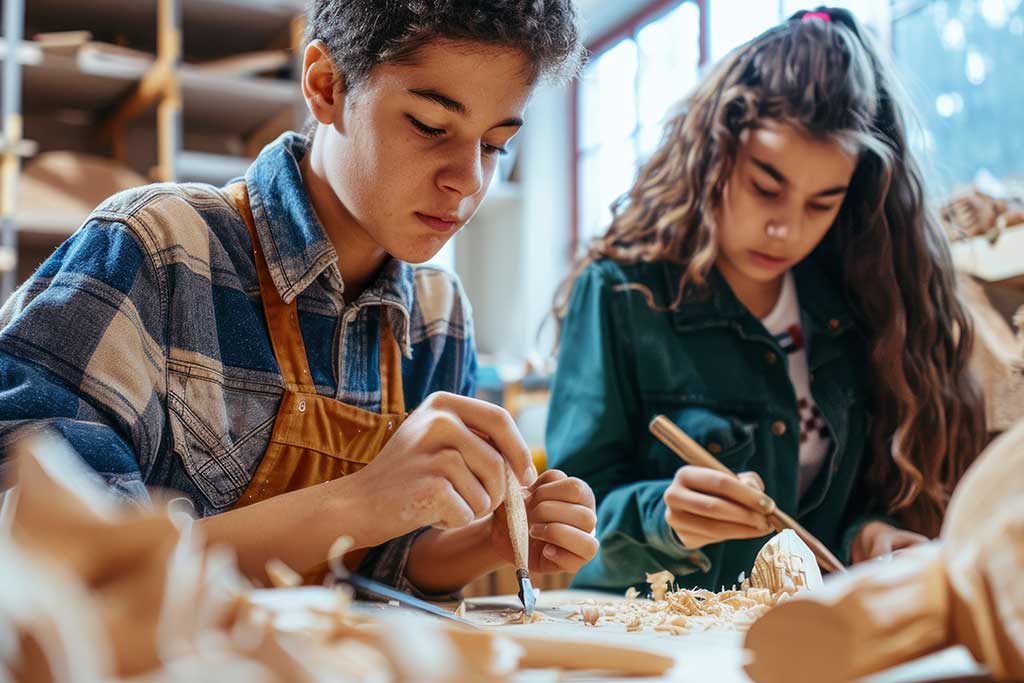
Promote the use of technology for creation, not just consumption. Encourage them to use a tablet to make a digital drawing, code a simple animation, or edit a family video. This aligns beautifully with the spirit of Jugaad – using a tool innovatively to create something new.
The Anchor in the Storm: Your Unconditional Presence
In a world that is constantly shouting for their attention, the most powerful thing you can offer your child is your quiet, undivided presence. In the rush of tuition classes and homework, we must fiercely protect time for simple, unplanned connection. A fifteen-minute walk without phones, cooking a meal together, or just sitting and talking about their day – these moments are the glue.
This is where the deepest values are truly transmitted, not through lectures, but through love and connection. It is in these moments that your child feels safe enough to share their fears, their failures, and their dreams. You become their safe harbour, the constant in a world of change.
The Grandparent Equation: Treasuring the Living Bridges
In many Indian homes, grandparents are the custodians of tradition. They are the living, breathing libraries of our culture. Involve them actively. Let them tell the stories, sing the old songs, and teach the traditional recipes. This connection is priceless.
At the same time, gently help them understand the new challenges their grandchildren face. Explain the positive aspects of technology and the need for a different kind of life skills today. Foster a relationship of mutual respect where the wisdom of age and the curiosity of youth can enrich each other. They are not a barrier to modern parenting; they are an essential part of the blend.
A Journey, Not a Destination
Dear parent, remember, you are not failing. You are navigating one of the most complex and rewarding journeys of human history. There will be days when you feel you rely too much on the screen, and days when you feel you are too strict. There will be moments of perfect harmony, where a lesson from a katha seamlessly applies to a problem at school.
Be kind to yourself. There is no perfect parent. The very fact that you are thinking about this balance means you are on the right path. You are building a bridge, brick by brick, with love as your mortar. You are raising a child who can honour the past while courageously creating the future. And that is the most beautiful fusion of all.
Previous Post
Next Post




Advertisement

Advertisement