





















Now Reading: Gut-Friendly Desi Khana: 5 Fermented Foods (Beyond Curd) for a Healthy Digestion
-
01
Gut-Friendly Desi Khana: 5 Fermented Foods (Beyond Curd) for a Healthy Digestion
Gut-Friendly Desi Khana: 5 Fermented Foods (Beyond Curd) for a Healthy Digestion

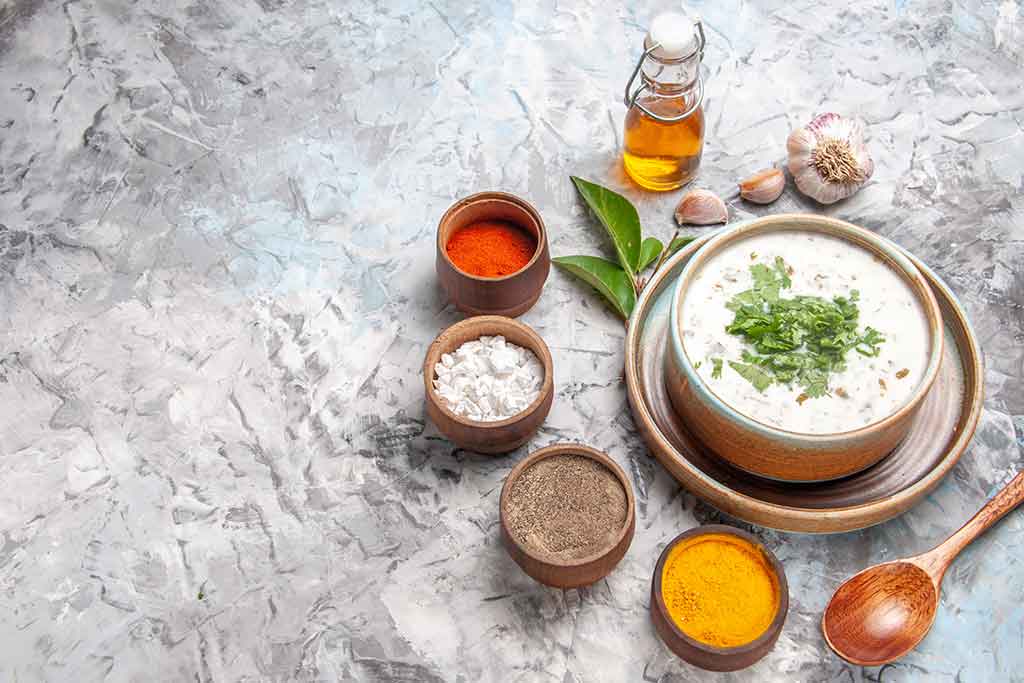

Go beyond curd for gut health! Discover 5 traditional Indian fermented foods like Kanji, Dhokla, and Idli. These probiotic-rich "Desi Khana" gems, made through ancient fermentation, aid digestion, reduce bloating, and boost your overall wellness, just as our ancestors intended.
In every Indian home, there is a timeless sight that connects us all: a bowl of fresh, creamy curd sitting on the kitchen counter, waiting to be served with the afternoon meal. For generations, our mothers and grandmothers have insisted on finishing our food with a little dahi. They knew, through inherited wisdom, that it was “good for the stomach.” This ancient knowledge is now backed by modern science. Curd is a probiotic, a food containing live bacteria that are essential for a healthy gut. But what if we told you that the treasure chest of Indian cuisine holds many more such probiotic gems that have been largely forgotten?
Our digestive system, or our “gut,” is often called our second brain. When it is healthy, we feel light, energetic, and happy. When it is upset, we feel heavy, bloated, and sluggish. In today’s world of hectic schedules and packaged foods, our gut needs more help than ever. The answer, however, does not always lie in expensive probiotic pills from the pharmacy. It lies in rediscovering the power of our own “Desi Khana.” This article is a journey into the heart of our traditional kitchens to discover five incredible fermented foods, beyond the beloved curd, that can heal, soothe, and strengthen your digestion, just as they did for our ancestors.
The Magic of Fermentation: A Pinch of Science, a Heap of Health
Before we meet these five foods, let’s understand what makes them so special. Fermentation is an ancient process where natural bacteria, yeasts, or other microorganisms break down the sugars and starches in food. Think of it as a form of “pre-digestion.” This process does two wonderful things.
First, it creates probiotics. These are the friendly, live bacteria that, when we eat them, take up residence in our intestines. They form a protective army that fights off harmful bacteria, helps us absorb nutrients from our food, and even produces some vitamins for us. A healthy gut flora, which is the community of these bacteria, is linked to better digestion, a stronger immune system, and even improved mental health.
Second, fermentation makes the food itself more nutritious. It increases the availability of vitamins and minerals for our body to absorb. So, by eating fermented foods, you are not just adding good bacteria; you are also getting more nutrition from the very same ingredients. It is a win-win situation, a trick our ancestors knew long before scientists gave it a name.
Beyond Dahi: 5 Desi Fermented Powerhouses for Your Gut
Let’s explore these delicious and often-overlooked digestive aids that are part of our rich culinary heritage.
1. Kanji: The Powerful Purple Tonic of the North
If you have never seen Kanji, its deep purple colour might surprise you. This traditional North Indian drink, especially popular in Punjab, is a fermented beverage made from black carrots, mustard seeds, and water.
The Making of the Magic: Black carrots are chopped and placed in a large ceramic jar (matka) along with mustard powder, salt, and water. This jar is then left in the sun for several days. During this time, the natural bacteria present in the air and on the vegetables work their magic. They ferment the mixture, giving Kanji its distinctive tangy, sharp, and slightly pungent taste. The fermentation process also turns the water a vibrant purple colour.
Why Your Gut Will Love It: Kanji is a powerhouse of probiotics created during fermentation. The black carrots are rich in antioxidants, and the mustard seeds have anti-inflammatory properties. Together, they create a drink that is incredible for gut health. It acts as a strong digestive tonic, helping to cleanse the system, reduce bloating, and promote the growth of healthy gut bacteria. A small glass of Kanji before a meal can kickstart your digestion beautifully.
How to Enjoy It: Kanji is best enjoyed as a refreshing drink on its own, especially during the winter months when black carrots are in season. It is a perfect starter to a heavy meal.
2. Dhokla: The Fluffy, Sunshine-Coloured Pillow from Gujarat
Most of us have enjoyed the soft, spongy, and tangy delight that is Dhokla. But did you know that its unique texture and flavour come from fermentation?
The Making of the Magic: The main batter for traditional Khaman Dhokla is made from besan (gram flour) and a fermented batter made from rice and chana dal. This batter is mixed and left to ferment overnight. During this time, natural bacteria cause the batter to rise and become airy. This is what gives Dhokla its characteristic sponge-like texture. The slight sourness is also a direct result of this fermentation process.
Why Your Gut Will Love It: The fermentation of the dal and rice batter makes the Dhokla much easier to digest than many other fried snacks. It pre-breaks down the carbohydrates and proteins, making it a light food for the stomach. It is also steamed, not fried, which adds to its gut-friendly nature. Eating Dhokla provides you with a dose of healthy bacteria along with a good amount of protein from the gram flour and lentils.
How to Enjoy It: Enjoy it as a breakfast item, a snack, or even a light meal. Served with green chutney, it is a complete, nutritious, and probiotic-rich food.
3. Idli and Dosa: The Beloved South Indian Staples
It is hard to imagine an Indian breakfast menu without the soft idli or the crispy dosa. This beloved South Indian duo is perhaps the most famous example of Indian fermented food.
The Making of the Magic: The magic lies in the batter. A mixture of rice and urad dal (black gram) is soaked, ground, and then left to ferment for several hours or overnight. In a warm climate, the natural yeasts and bacteria work to ferment the batter, causing it to almost double in volume and develop a slight sourness. This fermented batter is then used to make soft idlis by steaming or thin, crispy dosas on a hot griddle.
Why Your Gut Will Love It: The fermentation process breaks down the starches and the phytic acid present in the rice and dal. Phytic acid can sometimes interfere with the absorption of minerals in our gut. By breaking it down, fermentation makes idlis and dosas very easy to digest and allows our body to absorb the iron, calcium, and zinc from the food more effectively. They are a fantastic way to include gut-friendly probiotics in a delicious and satisfying form.
How to Enjoy It: They are perfect for any meal of the day. Enjoy idlis with sambar and coconut chutney, or a dosa with a spicy potato filling.
4. Fermented Pickles (Achar): The King of Condiments
A spoonful of achar can transform a simple meal of dal and rice into a feast. But we are not talking about the vinegar-based pickles sold in stores. We are referring to the traditional, homemade pickles fermented in oil and salt.
The Making of the Magic: In villages and many households still, the making of achar is a seasonal ritual. Raw mangoes, lemons, or other vegetables are mixed with salt, spices, and oil (usually mustard oil) and stored in a large jar. Salt draws out the natural water from the vegetables, and this brine, along with the absence of air (thanks to the oil layer), creates a perfect environment for natural, beneficial bacteria to ferment the vegetables. This process gives the pickle its deep, complex flavour and tang.
Why Your Gut Will Love It: These traditionally fermented pickles are a live source of probiotics. The healthy bacteria produced during fermentation are excellent for gut health. They also contain digestive spices like fenugreek, fennel, and asafoetida (hing), which further aid digestion. A small amount of such a pickle with your meal can stimulate digestive juices and help your body process the food better.
How to Enjoy It: Remember, a little goes a long way. Have just a small piece or half a spoonful with your main meal. Due to its high salt content, it should be consumed in moderation.
5. Fermented Rice (Pazhaya Soru): The Ancient Probiotic of Tamil Nadu
This might be the most traditional and least known item on the list. “Pazhaya Soru” translates to “old rice” and was a common breakfast for farmers and labourers in Tamil Nadu for centuries.
The Making of the Magic: It is simple. Leftover cooked rice is soaked in a lot of water and left to ferment overnight at room temperature. By the next morning, the rice undergoes a natural fermentation, becoming soft and slightly sour. It is then eaten as is, often with a side of onion, green chilli, or buttermilk.
Why Your Gut Will Love It: This is one of the most potent probiotic foods you can find. The fermentation dramatically increases the vitamin B content in the rice, especially B6 and B12. It becomes a cooling, energy-boosting, and incredibly easy-to-digest food. It nourishes the gut flora like no other and is known to prevent acidity and digestive problems.
How to Enjoy It: While the traditional method is very simple, you can make it more palatable by adding a tempering of mustard seeds, curry leaves, and asafoetida to the fermented rice water, making it almost like a kanji.
Weaving Fermented Foods into Your Modern Life
You do not need to make a drastic change. Start small. Here is how you can begin.
- Weekend Treat: Make dosa or idli for your Saturday breakfast.
- Seasonal Adventure: Look for black carrots in the winter and try making Kanji.
- The Simple Start: The easiest way is to soak a tablespoon of raw methi (fenugreek) seeds in a glass of water overnight. Drink the water on an empty stomach the next morning. It is a gentle way to improve your digestion.
- The Mindful Bite: If you have access to homemade, traditional pickle, enjoy a tiny piece with your lunch.
Listen to your body. If you are new to fermented foods, introduce them slowly to allow your digestive system to adjust.
A Note of Caution: Safety First
When dealing with fermentation at home, cleanliness is most important. Always use clean, dry hands and utensils to prevent the growth of harmful bacteria. If something smells foul, looks mouldy, or the taste is off, it is safest to throw it away.
Conclusion: Honouring the Wisdom of Our Ancestors
The journey to good health does not always require looking outward for new superfoods. Often, it involves looking inward and backward, into the practices of our own culture. Our ancestors, without microscopes or labs, mastered the art of using fermentation to create foods that were not just delicious but also deeply medicinal. They understood the secret to a happy life began with a healthy gut.
By bringing these “Gut-Friendly Desi Khana” back to our tables, we are not just improving our digestion; we are preserving a priceless heritage. We are choosing a path of wellness that is natural, sustainable, and deeply connected to our roots. So, take a step beyond curd, and unlock the powerful, probiotic magic that has been waiting in our own kitchens all along.
Previous Post
Next Post




Advertisement

Advertisement