





















Now Reading: Millets Magic: How to Cook Jowar, Ragi & Bajra for a Protein-Packed, Diabetic-Friendly Diet
-
01
Millets Magic: How to Cook Jowar, Ragi & Bajra for a Protein-Packed, Diabetic-Friendly Diet
Millets Magic: How to Cook Jowar, Ragi & Bajra for a Protein-Packed, Diabetic-Friendly Diet

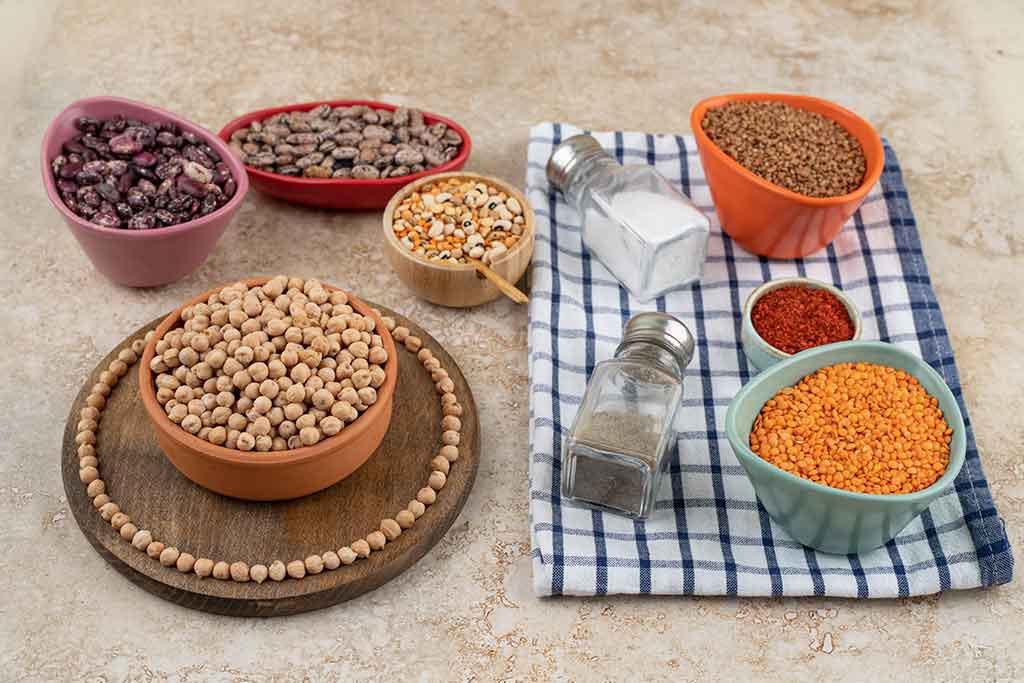

Discover the magic of Jowar, Ragi, and Bajra! These ancient Indian millets are protein powerhouses and perfect for a diabetic diet. Learn simple, delicious ways to make rotis, dosas, and khichdi with these grains to boost your health and connect with traditional wisdom.
In the heart of every Indian kitchen lies a story of forgotten wisdom. Long before the arrival of refined flour and white rice, our grandmothers and their grandmothers cooked with a powerful trio of grains – Jowar, Ragi, and Bajra. These humble grains, often called “millets,” were the bedrock of strength for generations of farmers and warriors. They were the original smart food. Then, for a while, they were forgotten, pushed aside as “poor man’s food.” But today, a beautiful revolution is happening. Science and tradition are shaking hands, and these ancient grains are making a glorious comeback.
Why now? Because India, and the world, is facing two major health challenges: a need for more protein in our diets and the rising wave of diabetes and lifestyle diseases. In our search for modern solutions, we have rediscovered that the answer was always with us, waiting patiently in our ancestral cupboards. This article is your friendly guide to the magic of Jowar, Ragi, and Bajra. We will explore not just why they are so good for you, but more importantly, how you can easily and deliciously bring them back to your family’s plate for a protein-packed, diabetic-friendly diet.
Why Our Ancestors Were Right: The Superpowers of Millets
Before we learn to cook them, let’s understand what makes these grains so special. Think of them as nutritional powerhouses, each with its own unique strength.
Jowar (Sorghum): The Gluten-Free Guardian. Jowar is a versatile and robust grain. For those who have trouble digesting wheat, Jowar is a wonderful gluten-free friend. It is rich in iron, calcium, and a special type of fibre that helps control blood sugar levels by releasing energy slowly into the body. This prevents those sudden spikes and crashes that are so problematic for diabetics.
Ragi (Finger Millet): The Calcium and Protein Champion. If there was a superhero for bone health, it would be Ragi. It contains more calcium than milk, making it incredible for growing children, pregnant women, and the elderly to prevent osteoporosis. But that’s not all. Ragi is also packed with protein and essential amino acids, which are the building blocks for our body. Its high fibre content keeps you feeling full for hours, aiding in weight management.
Bajra (Pearl Millet): The Winter Warrior for Blood Sugar Control. Bajra is a warm grain, traditionally enjoyed in the winter months. It is a treasure trove of magnesium, a mineral that is crucial for improving insulin sensitivity, making it a fantastic choice for a diabetic diet. It is also high in fibre and protein, providing sustained energy and keeping hunger pangs at bay.
Together, these three millets offer a powerful combination: they help manage blood sugar, provide high-quality plant-based protein, improve digestion, and strengthen bones. They are not just food; they are medicine from the earth.
The First Step: Preparing to Cook with Millets
The only reason many people hesitate to cook with millets is that they are slightly different from wheat and rice. But with a few simple tips, you can master them.
Buying and Storing Your Millets. You can easily find Jowar, Ragi, and Bajra in three forms: as whole grains, as flour (atta), and as semolina (rava). For beginners, starting with the flour is easiest. You can find them in most local grocery stores, organic stores, or online. Because they contain natural oils, it is best to store millet flour in the refrigerator, especially in hot and humid weather, to prevent it from going rancid. The whole grains can be stored in airtight containers in a cool, dark place.
The Mindset Shift: Embrace the New Taste and Texture. Millets have a distinct, nutty flavour and a slightly grainy texture compared to refined wheat. Do not expect them to taste exactly like your regular chapati on the first try. See it as exploring a new, wholesome flavour. Your taste buds will adapt and soon, you will start loving their unique taste.
Weaving Magic into Your Daily Meals: Practical Cooking Guide
Now, let’s get to the most exciting part – cooking! The key is to start slow. You do not need to switch over completely on day one. Begin by mixing millet flour with your regular wheat flour.
Bringing Millets to Your Breakfast Table.
Breakfast is the most important meal, and what better way to start your day than with a power-packed millet dish?
For a delicious and easy option, try Ragi Dosa or Ragi Uttapam. Take one cup of ragi flour, mix it with half a cup of rice flour or semolina (suji), add some curd, water, salt, and a pinch of baking soda. Let the batter rest for 15-20 minutes. You can then make thin, crispy dosas or thicker uttapams loaded with chopped onions, tomatoes, and green chillies. Serve it with coconut chutney for a truly satisfying and diabetic-friendly start to your day.
Another wonderful breakfast is Jowar Upma. Use jowar rava instead of regular semolina. Dry roast the jowar rava until it smells nutty. In a separate pan, temper mustard seeds, urad dal, chana dal, chopped onions, and vegetables like carrots and beans. Add water, salt, and the roasted jowar rava. Cook until the water is absorbed. You have a fluffy, nutritious upma ready.
Transforming Your Lunch and Dinner with Millets.
The most common way to include millets in your main meals is through rotis.
Jowar Bhakri or Roti is a classic Maharashtrian dish. The trick with jowar flour is that it is gluten-free, so it needs hot water to bind. Take a cup of jowar flour in a bowl. Add a pinch of salt. Slowly pour in hot water and mix with a spoon. Once it is cool enough to touch, knead it into a soft dough. Take a small ball, pat it between your palms or roll it on a board into a roti. Cook it on a hot tawa, applying a little ghee. It tastes best when eaten fresh and hot.
Bajra Roti is a winter favourite, especially in North India. The process is similar to jowar roti, using hot water to knead the dough. Bajra rotis are often enjoyed with a dollop of ghee and jaggery, or with a spicy garlic chutney and curd.
Do not forget about rice! You can replace your white rice with millet rice. A simple Bajra Khichdi is the ultimate comfort food. Cook one part bajra (soaked for 6-8 hours) with two parts moong dal and lots of vegetables like pumpkin, carrots, and spinach. Add turmeric, salt, and a generous tempering of ghee, cumin, and asafoetida. It is a complete, protein-rich, and gut-friendly meal.
Healthy Snacks and Sweet Treats.
Millets can even be used for your evening cravings and desserts.
Ragi Malt is a classic, nourishing drink. Dry roast ragi flour until it is fragrant. Let it cool. Mix two tablespoons of this roasted flour in a little cold water to make a smooth paste. Then, add a cup of hot milk or water, stirring continuously to avoid lumps. You can add a natural sweetener like a small piece of jaggery or cardamom powder for flavour. It is a warm, soothing, and incredibly healthy drink for children and adults alike.
You can also make Ragi Ladoo. Dry roast the ragi flour. In a separate pan, melt a little ghee and jaggery. Mix in the roasted flour and some chopped nuts. While the mixture is still warm, shape it into small ladoos. These are far healthier than regular sweets and provide a great energy boost.
A Sample One-Day Diabetic-Friendly, Protein-Packed Millet Diet Plan
Let’s see how a full day of eating with millets can look. This plan is designed to keep blood sugar stable and provide sustained energy.
- Breakfast (8:00 AM): One Ragi Uttapam with mint chutney and a bowl of sprouts.
- Mid-Morning Snack (11:00 AM): A handful of roasted peanuts or a glass of buttermilk.
- Lunch (1:00 PM): One Jowar Bhakri with a bowl of dal, a green vegetable sabzi, and a large bowl of salad.
- Evening Snack (5:00 PM): A cup of Ragi Malt or a small bowl of fruit.
- Dinner (7:30 PM): One bowl of Bajra Khichdi with a spoon of ghee and a bowl of curd.
Answering Your Questions About Millets
It is natural to have questions when trying something new.
“Won’t millets cause gas or bloating?” Like any high-fibre food, introducing millets suddenly can cause some gas. The secret is to start with small quantities. Soak the whole grains before cooking, and cook them well with spices like ginger, asafoetida (hing), and cumin, which are known to aid digestion. Your body will adjust in a week or two.
“Can I eat millets every day?” Absolutely! In fact, that is the goal. You can rotate between Jowar, Ragi, and Bajra to get a diverse range of nutrients and keep your meals interesting. Variety is the spice of life, and it applies to millets too.
Conclusion: Embracing an Ancient Future for Health
The journey back to millets is more than just a diet trend. It is a homecoming. It is about reconnecting with the wisdom of our soil and our ancestors. By welcoming Jowar, Ragi, and Bajra back into our kitchens, we are not just making a choice for our personal health; we are also supporting our local farmers and choosing a more sustainable planet.
You do not need to make a sudden, drastic change. Start with one millet meal a week. Maybe a Ragi dosa for Sunday breakfast. Then, slowly, let the magic unfold. With every roti, every khichdi, and every ladle of malt, you are building a stronger, healthier, and more vibrant life for yourself and your family. The future of good health, it turns out, has deep roots in our past.
Previous Post
Next Post




Advertisement

Advertisement