





















Now Reading: Ghar Ka Khana, Global Goals: An Indian Diet Plan for Weight Loss That Actually Works
-
01
Ghar Ka Khana, Global Goals: An Indian Diet Plan for Weight Loss That Actually Works
Ghar Ka Khana, Global Goals: An Indian Diet Plan for Weight Loss That Actually Works

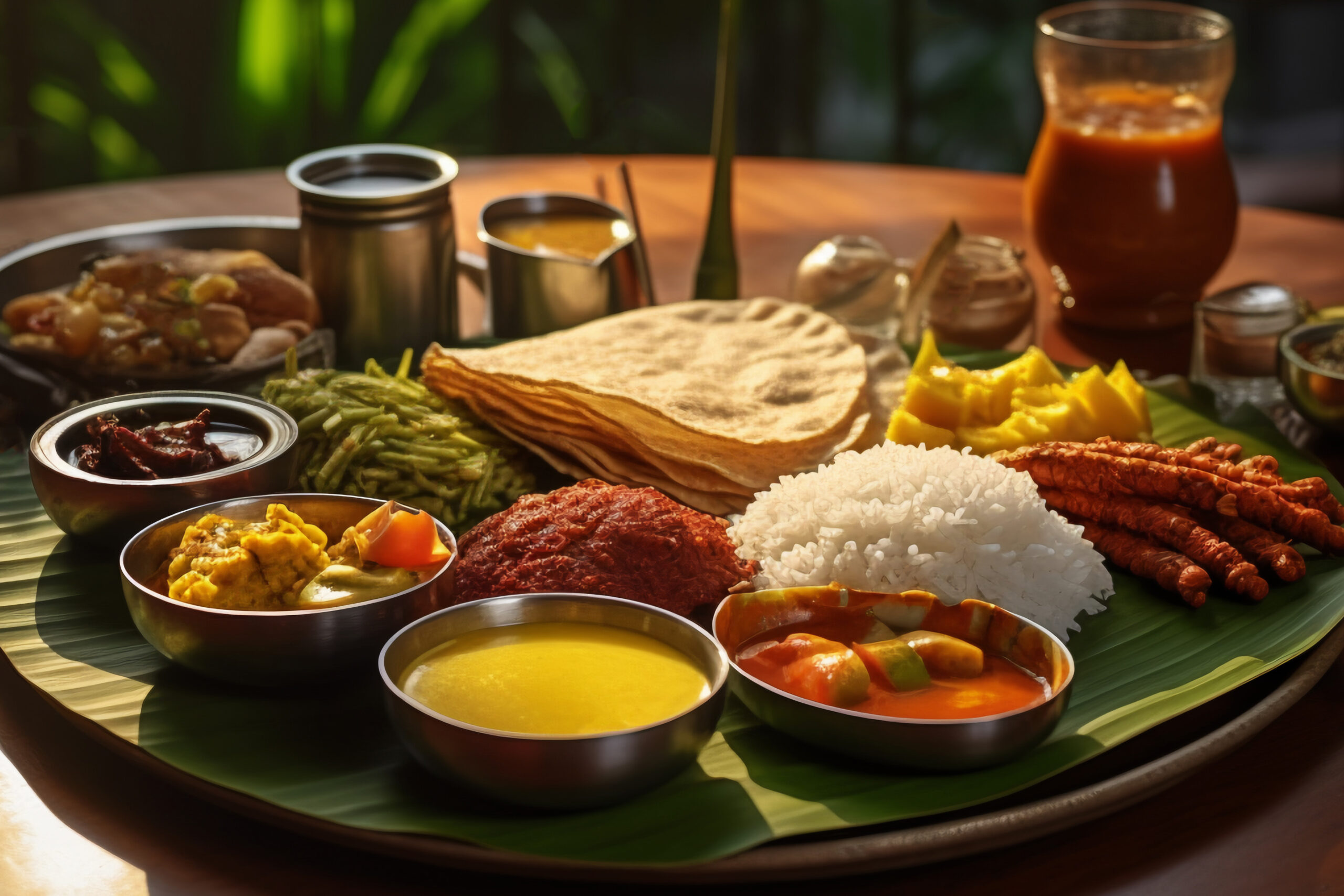

You don't need foreign foods to lose weight. Your traditional Indian home food, or "Ghar Ka Khana," is the perfect tool. By focusing on portion control, balanced meals with dal and veggies, and smart cooking methods, you can create a sustainable and effective weight loss plan that feels like home.
In every corner of India, as the clock ticks towards evening, a familiar and comforting smell begins to waft from kitchens. It is the smell of tempering with cumin, the sizzle of ginger-garlic paste, and the gentle cooking of lentils. This is the smell of “Ghar Ka Khana” – the food that is not just about nutrition, but about love, tradition, and memory. It is the food that our mothers and grandmothers have cooked for generations. Yet, when we decide to lose weight, this very food is often the first thing we abandon. We turn instead to salads with strange leaves, expensive protein powders, and boiled chicken, believing that our own delicious food is the enemy of our weight loss goals.
What if we told you that the secret to successful and sustainable weight loss has been in your own kitchen all along? What if you did not have to give up your rotis, your rice, or your sabzis to get healthy? This article is here to show you that your beloved Ghar Ka Khana is not a obstacle, but your greatest ally. We will build a powerful, effective Indian diet plan for weight loss that respects our global goals for a fitter body, while staying rooted in the timeless wisdom of our home kitchens.
Why Do Fad Diets Fail Us?
The market is flooded with diet plans that promise magical, rapid weight loss. They ask you to cut out carbohydrates completely, to live only on liquids, or to eat strange and expensive foods that are not part of our culture. You might lose a few kilos in the beginning, but soon, you start feeling weak, irritable, and deprived. The moment you go back to your normal eating, the weight comes rushing back, often more than before.
This is because these diets are not sustainable. They fight against our culture, our taste buds, and our lifestyle. They make eating, one of life’s great joys, a stressful chore. The real goal is not just to lose weight, but to keep it off forever, and that requires a plan that feels like home. It requires a plan that is built around Ghar Ka Khana.
The Golden Principles of Our Indian Weight Loss Plan
Our journey is not about drastic changes. It is about making small, intelligent shifts in the way we have always eaten. Forget about starving; we will focus on nourishing our bodies wisely.
It is All About Balance, Not Elimination. The first and most important rule is to stop fearing food groups. Our traditional thali is a beautiful example of balance. It often has carbohydrates (roti/rice), protein (dal/curd), fats (ghee/oil), and fibre (sabzi/salad). The problem begins when this balance is lost – when our plate is overloaded with rice and has only a spoonful of dal, or when it is swimming in oil. We will not eliminate roti or rice. Instead, we will learn to control their portions and balance them with other nutrients.
The Power of Portion Control. In our grandparents’ time, people ate ghee and full-fat dahi and were still healthy. One big reason was portion control and an active lifestyle. We can eat everything, but we must be mindful of how much we are eating. Using a smaller plate, understanding the right amount of dal to cook per person, and knowing that one katori of rice is enough – these small acts make a huge difference. Your stomach is only the size of your fist; it does not need a mountain of food to feel full.
Timing is Everything: The Rhythm of Your Meals. Our bodies love a routine. Eating your meals at roughly the same time every day helps regulate your metabolism. The most crucial part of this is to not skip breakfast. After a long night’s fast, your body needs fuel to start the day. A good breakfast prevents you from overeating during lunch. Similarly, make sure your dinner is the lightest meal of the day and is finished at least two to three hours before you go to sleep.
Building Your Weight Loss Thali: A Step-by-Step Guide
Let us now break down the classic Indian thali and see how we can build it for weight loss. Imagine your plate divided into four parts.
The Foundation: Roti and Rice, Your Energy Partners.
Let us change our thinking. Roti and rice are not our enemies; they are our source of energy. The key is to choose wisely and control the quantity. Instead of only plain white rice, try mixing it with brown rice or hand-pounded rice (jada chawal). You can even add vegetables like peas, carrots, and beans to your rice to increase its fibre content. When it comes to roti, try to include rotis made from whole wheat flour (atta) along with other flours like jowar, bajra, or ragi. These millets are powerhouses of fibre and protein, which keep you feeling full for longer. A good rule is to have one or two rotis, or one katori of rice per meal.
The Heart of the Meal: Dals, Legumes, and Proteins.
This is the most important section for weight loss. Proteins are the building blocks of our body and they take more time and energy to digest. This means they keep you full, reduce cravings, and help maintain muscle mass while you lose fat. Make sure to include a good source of protein in every major meal. This could be a bowl of dal, a cup of chana, rajma, lobia, or moong. Sprouted moong salad is an excellent snack. Do not forget the humble dahi (curd). A bowl of fresh, homemade dahi is a great source of protein and probiotics, which are great for your gut health. For non-vegetarians, grilled or baked fish and chicken are excellent options, but ensure they are cooked in a homely style, not deep-fried.
The Colour of Health: Vegetables and Salads.
Fill half your plate with vegetables. They are low in calories and high in vitamins, minerals, and fibre. Enjoy your favourite sabzis like bhindi, baingan, lauki, tori, and cabbage. The only change we need to make is in the way they are cooked. Use less oil. Try methods like steaming, sautéing, or baking instead of deep-frying. Along with your cooked vegetables, make a fresh salad a compulsory part of your lunch and dinner. A simple kheera-tamatar-pyaaz ka salad with a squeeze of lemon is refreshing and filling. It adds a great crunch and helps you eat less of the higher-calorie items on your plate.
The Golden Elixir: Do Not Fear Ghee.
For years, ghee has been wrongly accused. In reality, a teaspoon of pure desi ghee on your roti or in your dal is beneficial. It helps in the absorption of certain vitamins, keeps your joints lubricated, and provides good fats that are essential for your body. The problem, as always, is excess. One or two teaspoons a day is not just allowed, it is recommended.
A Sample One-Day Indian Weight Loss Diet Plan
Let us see how this looks in a practical, whole day of eating.
Breakfast (8:00 AM): Start your day with power. Do not just have a biscuit and tea. Options: One bowl of poha with lots of vegetables and a sprinkle of lemon, OR two moong dal cheela with mint chutney, OR two slices of brown bread with two boiled eggs.
Mid-Morning Snack (11:00 AM): Beat the hunger pangs. Options: One apple or a bowl of papaya, OR a glass of buttermilk (chaas) without salt, OR a handful of roasted chana.
Lunch (1:00 PM): Your balanced thali. One bowl of salad first. Then, one bowl of dal, one bowl of sabzi, one bowl of curd, and one or two whole wheat or jowar rotis. If you prefer rice, have one katori of rice with dal and sabzi.
Evening Snack (5:00 PM): Avoid samosas and pakoras. Options: A cup of green tea with two digestive biscuits, OR a handful of nuts like almonds and walnuts, OR a bowl of sprouted moong chat.
Dinner (7:30 PM): Keep it light. Options: A bowl of vegetable khichdi with a spoonful of ghee, OR one bowl of dal and a small bowl of vegetable soup, OR two small besan chilla with green chutney.
Lifestyle Secrets from Our Grandparents
Our ancestors were naturally healthy because their lifestyle supported their diet. We can learn from them.
Stay Hydrated the Indian Way. Drink plenty of water throughout the day. But also remember our traditional drinks. A glass of lukewarm water with lemon in the morning, a glass of chaas in the afternoon, and a cup of herbal tea like ajwain water or saunf water at night can work wonders for your digestion and metabolism.
Move Your Body, Naturally. You do not need a fancy gym membership. A 30-minute brisk walk every day is a great start. Remember how our grandparents were always doing something – walking to the market, climbing stairs, working in the garden? Incorporate more natural movement into your day. Take the stairs, get up from your chair every hour, and walk while talking on the phone.
Sleep: The Silent Weight Loss Aid. When you do not get enough sleep, your body produces more of the hunger hormone, making you crave sugary and fatty foods. Aim for 7-8 hours of peaceful sleep every night. It is as important as your diet.
Conclusion: Coming Home to Health
The path to weight loss does not lie in a foreign land with strange foods. It lies in your own kitchen, in the same pots and pans that have cooked meals for your family for years. It is about embracing the Ghar Ka Khana with intelligence and love. By making small changes in portion size, cooking methods, and meal timing, you can transform your traditional food into the most powerful weight loss tool you will ever own.
This is a journey back to your roots, a journey of enjoying your food without guilt, and a journey towards a healthier, happier you that feels like home. So, open your kitchen cabinet, take out the atta, the dal, and the vegetables, and start cooking your way to good health. Your global goal of a fit body is waiting for you, right there, in your Ghar Ka Khana.

Previous Post
Next Post




Advertisement

Advertisement