





















Now Reading: Fueling Your Life: A Simple Guide to Nutrition and Diet Therapy
-
01
Fueling Your Life: A Simple Guide to Nutrition and Diet Therapy
Fueling Your Life: A Simple Guide to Nutrition and Diet Therapy



Nutrition is the science of how food fuels our body, providing energy and building blocks from nutrients. Diet Therapy uses this knowledge to create special eating plans to manage health conditions like diabetes or high blood pressure, turning food into a powerful tool for healing and well-being.
We often hear our elders say, “You are what you eat.” Have you ever wondered what that really means? It’s a simple way of saying that the food we put into our bodies becomes the very building blocks of our life. It gives us energy to play, study, work, and dream. This wonderful connection between our food and our health is what we call Nutrition.
And when we use this knowledge of food specifically to fight sickness or get healthier, it becomes Diet Therapy. This article will walk you through these two important ideas in a simple, easy-to-understand way.
What is Nutrition? The Story of Building a Strong Body
Think of your body as a magnificent, constantly under-construction building. Just like a building needs cement, bricks, steel, and wires, your body needs specific materials from food to grow, repair itself, and function properly. These special materials are called nutrients.
Nutrition is the science that studies how our body gets these nutrients from food and uses them for everything we do—from blinking an eye to running a marathon. It’s about understanding the different players in our food and the roles they play.
The Superheroes in Your Food: The Major Nutrients
Our food is made up of several key nutrients. Each one has a unique job, and together, they keep us healthy and strong.
Carbohydrates: The Energy Givers
Carbohydrates are your body’s primary source of fuel, like petrol for a car. They give you the instant energy you need for your daily activities. There are two main types.
Simple carbohydrates give you quick energy. Think of sugar, honey, or the sweetness in fruits. They are like starting a fire with paper—it burns bright but fast.
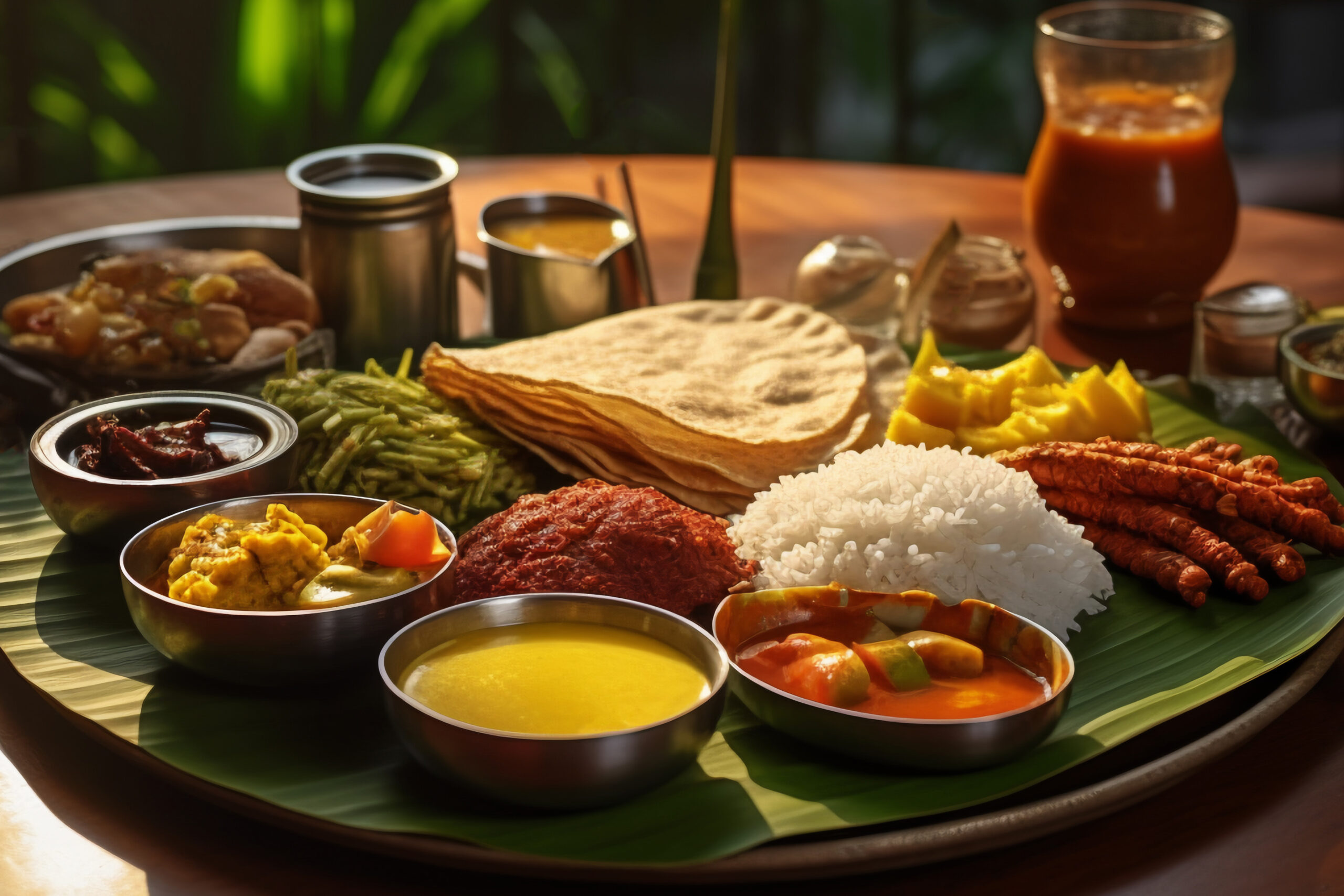
Complex carbohydrates give you slow, steady energy. These are found in foods like whole wheat chapatis, brown rice, oats, and lentils (dal). They are like a log of wood that burns slowly, keeping you energized for a long time.
Proteins: The Body’s Builders
If carbohydrates are the fuel, proteins are the construction workers. They are essential for building and repairing all body tissues—your muscles, skin, hair, nails, and even the blood. Every time you get a cut, it’s proteins that help heal it.
Good sources of protein are vital for everyone, especially for growing children. In the Indian diet, we get proteins from dairy products like milk, curd, and paneer; from all kinds of lentils and pulses (dal); from nuts and seeds; and from eggs, chicken, and fish.
Fats: The Storage Tanks and Protectors
Fats often get a bad reputation, but they are actually very important! They are your body’s stored energy reserve, like a backup battery. They also help keep you warm, protect your vital organs, and help your body absorb certain vitamins.
The key is to choose the right kind of fats. Healthy fats are found in nuts, seeds, avocado, and traditional oils like mustard oil and ghee (in moderation). It’s best to avoid too much of the unhealthy fats found in fried snacks and processed foods.
Vitamins and Minerals: The Tiny Helpers
These are needed only in small amounts, but their role is mighty! They are like the spark plugs and lubricants in a car engine. They don’t provide energy themselves, but they help all the other processes run smoothly.
For example, Vitamin C (found in amla, oranges, and lemons) helps your immune system and heals wounds. Calcium (found in milk and leafy greens) makes your bones strong. Iron (found in spinach, jaggery, and meats) helps carry oxygen in your blood, preventing weakness and fatigue.
Water: The River of Life
We cannot talk about nutrition without mentioning water. It is the most essential nutrient. Water is involved in every single process in your body. It helps digest food, carries nutrients to cells, regulates body temperature, and flushes out waste. Drinking enough clean water is one of the simplest and most powerful things you can do for your health.
What is Diet Therapy? Food as Your Medicine
Now that we understand what nutrition is, let’s talk about Diet Therapy. Sometimes, our body falls sick. It could be a short-term illness like a fever or a long-term condition like diabetes or high blood pressure. Diet therapy is the practice of using specific, planned diets to help manage or treat these health problems.
It’s not about starving or eating boring food. It’s about making smart and targeted changes to your regular diet to help your body heal.
How Does Diet Therapy Work?
Think of it this way: if a machine breaks down, you don’t put the wrong fuel in it. You give it the specific oil or part it needs to function correctly. Diet therapy does the same for the human body.
A doctor or a dietitian will create a special diet plan based on a person’s specific medical condition. This plan might involve:
- Adding more of certain nutrients: For someone with weak bones (osteoporosis), the diet would be rich in calcium and Vitamin D.
- Restricting certain nutrients: A person with high blood pressure may be asked to eat less salt (sodium). A person with kidney disease may need to limit protein and potassium.
- Changing the texture of food: Someone who has trouble swallowing after an illness might be given soft or liquid foods.
- Managing food allergies: Completely avoiding foods that cause an allergic reaction, like nuts or shellfish.
Common Examples of Diet Therapy in Indian Life
Diet therapy is very common, and you might have seen it in your own family.
Managing Diabetes (Sugar Control)
For a person with diabetes, the body has trouble using sugar for energy. So, the diet therapy focuses on controlling blood sugar levels. This means eating more high-fiber foods like whole grains and vegetables, which release sugar slowly, and avoiding sugary drinks, sweets, and refined flour (maida) which cause a rapid sugar spike.
Controlling High Blood Pressure
A common diet therapy for high blood pressure is to reduce salt intake. This means cooking with less salt, avoiding salty pickles and papads, and staying away from processed and packaged foods which are often high in hidden sodium.
Aiding Digestion and Weight Management
For someone with digestive issues or who needs to lose weight, a dietitian might recommend a plan full of fibrous fruits, vegetables, and whole grains. These foods keep the stomach full for longer, improve gut health, and aid in healthy weight loss.
Recovery from Illness
When someone is recovering from a sickness like typhoid or a surgery, the body is weak and needs extra protein and energy to repair itself. The diet therapy here would include easy-to-digest, nutrient-dense foods like dal soup, khichdi, custard, and eggs to help rebuild strength.
Bringing It All Together: A Healthy Balance
Good nutrition is the foundation of a healthy life. It’s about enjoying a variety of foods from all the groups—energy-giving carbohydrates, body-building proteins, protective fats and vitamins, and plenty of water. Embrace the wonderful diversity of Indian food traditions, which are naturally rich in spices, lentils, and whole grains.
And when illness strikes, remember that food can be a powerful form of medicine. Diet therapy is a tool that helps your body use its own healing powers more effectively. It is always best to talk to a doctor or a qualified dietitian before making any major changes to your diet for therapeutic purposes.
Start paying attention to what you eat. Make small, positive changes. Choose a whole fruit over a packet of chips, drink that extra glass of water, and enjoy your meals mindfully. Your body is your lifelong home—nourish it well.

Previous Post
Next Post





Advertisement

Advertisement