





















Now Reading: Are Smart Homes Safe? Your Complete Guide to Security in India’s Connected Homes
-
01
Are Smart Homes Safe? Your Complete Guide to Security in India’s Connected Homes
Are Smart Homes Safe? Your Complete Guide to Security in India’s Connected Homes

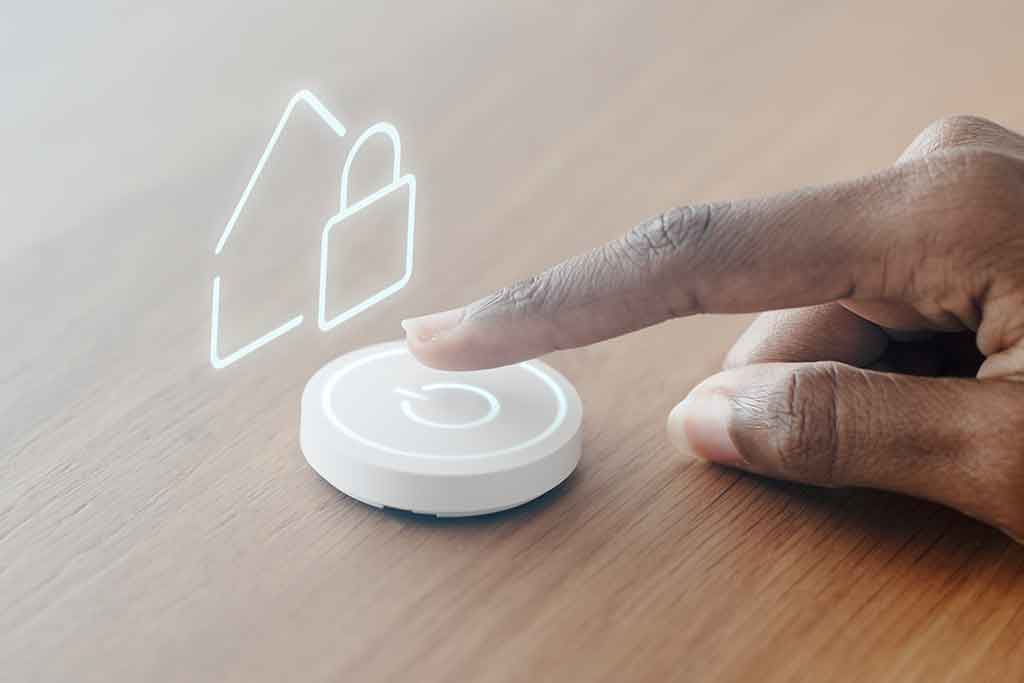

Smart home technology uses internet-connected devices to make your life easier. You can control lights, fans, and appliances with your voice or phone. It enhances security with cameras and sensors, saves electricity, and adds great convenience. Start with simple devices to transform your Indian home into an intelligent, responsive space.
Picture this: You’ve just installed a new smart doorbell. It feels revolutionary—you can see who’s at your door from your office, talk to delivery people, and feel an extra layer of security. But one evening, as you’re relaxing, the doorbell’s camera suddenly turns toward you inside your living room. A strange voice comes through the speaker: “Nice house you have here.” Your blood runs cold. This isn’t a scene from a horror movie; it’s a real incident that happened to a family in the US when their smart device was hacked.
As smart homes become increasingly popular in India—with smart bulbs, ACs, locks, and cameras entering middle-class households—a crucial question emerges: Are we trading convenience for security? Are we inviting digital strangers into our most private spaces?
This comprehensive guide will explore every facet of smart home safety, giving you the knowledge to make informed decisions about bringing these technologies into your Indian home. We’ll separate real risks from hype, provide practical solutions, and help you build a smart home that’s both convenient and secure.
Understanding Smart Home Security: More Than Just Gadgets
When we ask “are smart homes safe?”, we need to think about three different aspects:
- Physical Safety: Can these devices cause fires, shocks, or physical harm?
- Digital Security: Can hackers access my devices and data?
- Privacy Protection: Is my personal life being watched, listened to, or recorded?
Most concerns fall into the digital security and privacy categories—and these are exactly where we need to pay the most attention.
The Open Windows: How Smart Homes Become Vulnerable
Think of your smart home as a house with many windows. Each smart device is potentially a window that could be left open. Here are the most common ways these “windows” stay vulnerable:
1. The Password Problem: Your Front Door Key Under the Mat
- Weak Default Passwords: Many devices come with passwords like “admin,” “password,” or “123456”—and shockingly, many users never change them.
- Password Reuse: Using the same password for your smart light, email, and banking apps means if one gets hacked, all are compromised.
- No Two-Factor Authentication: Many devices don’t offer that crucial second step of verification via SMS or authenticator app.
Real Example: In 2016, a massive cyberattack used thousands of hacked smart devices (mostly security cameras) to take down major websites. How? The devices still had their default factory passwords.
2. The Unencrypted Highway: Sending Postcards Instead of Sealed Letters
- Data Traveling Naked: Some cheaper devices send your data (like video feeds or voice commands) without encryption—like sending a postcard anyone can read instead of a sealed letter.
- Cloud Storage Risks: Your data might be stored on company servers with inadequate protection, vulnerable to large-scale breaches.
- Local Network Exposure: Devices communicating on your home Wi-Fi can sometimes be “seen” by each other in ways that create vulnerabilities.
3. The Network Backdoor: One Weak Link Breaks the Chain
- The Domino Effect: A compromised smart bulb could potentially give hackers access to your entire home network—including your laptop with financial information or your smartphone with personal photos.
- Guest Network Dangers: Many users don’t separate smart devices from their main computers and phones on their Wi-Fi network.
- Router Vulnerabilities: Your router itself might be outdated and unpatched, becoming the weakest link.
4. The Forgotten Updates: Like Ignoring Vaccinations
- Manufacturer Neglect: Smaller companies may stop providing security updates after a year or two, leaving devices permanently vulnerable.
- User Update Avoidance: Many people click “remind me later” on update notifications indefinitely.
- End-of-Life Devices: Older devices that manufacturers no longer support become permanent security risks in your home.
5. The Eavesdropping Microphones and Watching Cameras
- Always-Listening Devices: Voice assistants need to listen for “wake words,” but what happens to snippets of conversation?
- Camera Hacks: Unsecured cameras can become windows for strangers into your private life.
- Data Sharing Policies: Companies might share “anonymized” data with third parties—but sometimes this data can be de-anonymized.
The Indian Context: Special Considerations
Smart home safety in India has unique dimensions:
1. Power Fluctuations & Surges:
- Indian voltage fluctuations can damage smart devices, potentially causing malfunctions or fire hazards.
- Solution: Always use voltage stabilizers or surge protectors with smart devices.
2. Internet Reliability:
- Unstable connections can cause devices to behave unpredictably or revert to insecure modes.
- Solution: Invest in a good quality router with backup 4G support.
3. Multi-Generational Homes:
- Elderly family members might not understand technology’s risks, like clicking on phishing links on connected devices.
- Solution: Create simple guides and use child/parental controls.
4. Service Support:
- International brands might have limited service centers in smaller Indian cities.
- Solution: Research service availability before purchasing, prefer brands with strong Indian presence.
Building Your Fortress: Practical Security Steps for Indian Homes
You don’t need to be a tech expert to create a secure smart home. Follow these practical steps:
Layer 1: The Strong Foundation (Your Network)
- Change Your Router Password Immediately: The first thing you should do with any new router.
- Create a Separate Guest Network: Put all smart devices on a separate network from your phones and computers.
- Enable WPA3 Encryption: If your router supports it (most new ones do), this is the strongest wireless security available.
- Disable Remote Management: Unless absolutely necessary, don’t allow your router to be managed from outside your home.
Layer 2: The Device Defense
- Research Before Buying: Look for brands with good security reputations. Check if they provide regular updates.
- Change Default Credentials Immediately: Before connecting any device, change its username and password.
- Enable Two-Factor Authentication (2FA): Wherever available, always enable this extra security layer.
- Regular Updates: Enable automatic updates or check monthly for firmware updates.
Layer 3: The Privacy Protection
- Review Privacy Settings: Go through every device’s app and disable unnecessary data collection.
- Camera & Microphone Controls: Use physical covers or switches for cameras and microphones when not in use.
- Be Mindful of Placement: Don’t place cameras or voice assistants in bedrooms or private areas.
- Regular Audits: Every 3-6 months, review which devices have access to what data.
Layer 4: The Safe Practices
- Unique Passwords: Use a password manager to create and store unique passwords for every device.
- Monitor Network Activity: Some routers let you see which devices are connected—check this periodically.
- Buy from Reputable Sources: Avoid suspiciously cheap devices from unknown brands on e-commerce sites.
- Disable Unused Features: If you don’t use remote access, disable it. If you don’t need voice control, turn it off.
The Manufacturer’s Responsibility: What to Look For
When choosing smart devices, consider these security aspects:
Green Flags (Good Signs):
- Regular security updates for at least 3-5 years
- Transparency about data collection and storage
- Strong encryption standards (like AES-128 or higher)
- Responsible disclosure programs for security researchers
Red Flags (Warning Signs):
- No option to change default passwords
- No two-factor authentication
- History of security breaches with no improvement
- Data stored in countries with weak privacy laws
Special Considerations for Different Devices
1. Smart Cameras & Doorbells:
- Ensure end-to-end encryption for video feeds
- Use strong, unique passwords
- Enable motion zones to avoid recording public areas
- Regularly check for firmware updates
2. Voice Assistants:
- Review and delete voice history regularly
- Mute microphones when discussing sensitive information
- Use voice recognition features if available
- Disable voice purchasing or use a PIN
3. Smart Locks:
- Always have a physical backup key option
- Use temporary access codes for guests instead of permanent ones
- Disable Bluetooth when not needed if it’s not your primary access method
- Choose locks from established security companies, not just tech companies
4. Smart Kitchen Appliances:
- Be cautious with devices that control heat or flames
- Ensure proper certification from Indian standards (like BIS)
- Keep them on dedicated circuits with proper fuses
The Human Factor: Your Behavior Matters Most
The strongest security technology can be defeated by simple human errors:
- Phishing Awareness: Don’t click on suspicious links claiming to be from your device manufacturer.
- Physical Security: Don’t leave smart home controllers (like tablets) in plain view from windows.
- Sharing Awareness: Be cautious about sharing access to your smart home systems.
- Regular Check-ups: Make security checks a monthly ritual, like checking smoke detectors.
What If Something Goes Wrong? Your Action Plan
Even with precautions, breaches can happen. Here’s what to do:
- Immediate Disconnect: Unplug the compromised device from power and network.
- Change Passwords: Change passwords for your Wi-Fi and related accounts.
- Check Other Devices: Look for unusual activity on other connected devices.
- Contact Manufacturer: Report the issue and check for known vulnerabilities.
- Monitor Accounts: Watch your financial accounts for unusual activity if any were accessible from the same network.
The Future of Smart Home Security in India
Fortunately, security is improving:
- Government Regulations: India is developing stronger IoT security guidelines.
- Industry Standards: More manufacturers are adopting security-by-design principles.
- Consumer Awareness: Buyers are increasingly asking about security features.
- Insurance Products: Some companies are offering cyber insurance for smart homes.
Balancing Convenience and Security: A Practical Approach
So, are smart homes safe? The answer is: They can be, if you’re proactive about security.
Think of smart home security like car safety. Cars have risks, but we mitigate them with seatbelts, airbags, defensive driving, and regular maintenance. Similarly, smart homes have risks that we can manage with strong passwords, network segmentation, regular updates, and cautious buying habits.
For Indian families, the decision comes down to this: Are the benefits worth the security effort? For many, the answer is yes—but only if they’re willing to invest time in security, not just money in devices.
The safest smart home isn’t the one with the most expensive gadgets; it’s the one with the most informed and vigilant users. Start small, choose reputable brands, follow basic security hygiene, and expand gradually as you become more comfortable.
Your home should be your sanctuary—a place of safety and privacy. With careful planning and ongoing attention, smart technology can enhance that sanctuary rather than compromise it. The future of Indian homes is intelligent, but it must also be secure. And that security begins not with technology, but with you—the mindful, informed user at the center of your connected home.

Previous Post
Next Post




Advertisement

Advertisement