





















Now Reading: Are Smart Homes the Future of Living? An Indian Family’s Guide to Tomorrow’s Home Today
-
01
Are Smart Homes the Future of Living? An Indian Family’s Guide to Tomorrow’s Home Today
Are Smart Homes the Future of Living? An Indian Family’s Guide to Tomorrow’s Home Today

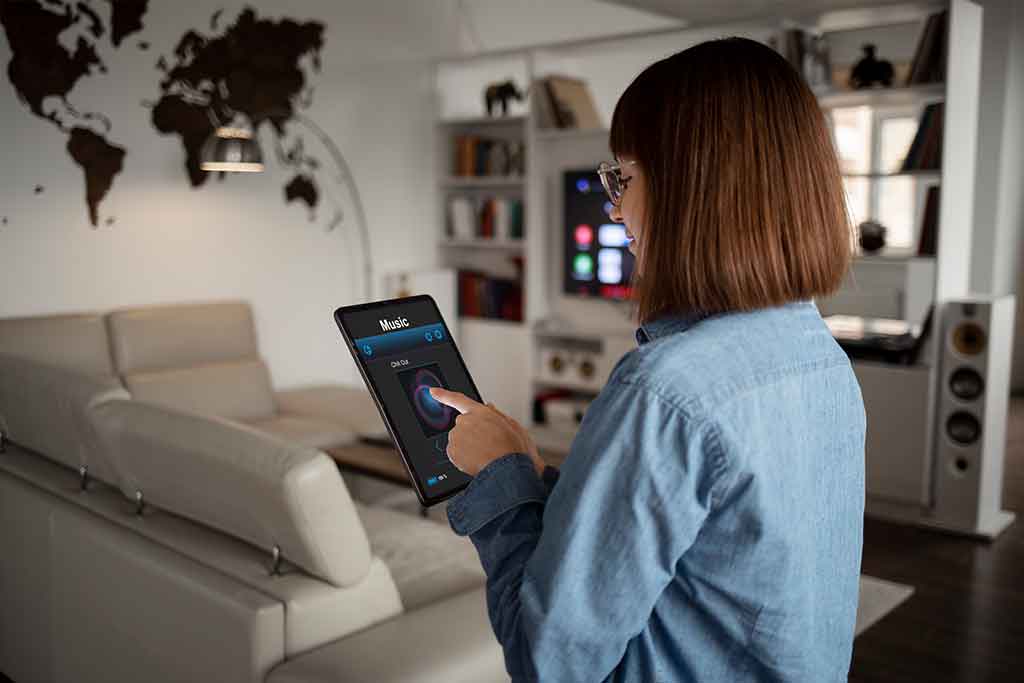

Smart home technology uses internet-connected devices to make your life easier. You can control lights, fans, and appliances with your voice or phone. It enhances security with cameras and sensors, saves electricity, and adds great convenience. Start with simple devices to transform your Indian home into an intelligent, responsive space.
Imagine this scene: It’s a scorching Delhi summer afternoon. As you leave your office, you pull out your phone and tap an app. By the time you reach your car, your home’s AC has already started cooling the living room. When you’re 5 minutes away, your porch lights turn on automatically. As you enter, your favorite relaxing music begins to play softly, the curtains draw themselves to block the harsh evening sun, and your water purifier sends a notification that it’s time to replace the filter. Meanwhile, your elderly parents at home haven’t had to lift a finger—the lights in their room turn on as they walk in, and the geyser switches on automatically for their evening bath.
This isn’t science fiction. This is the reality of smart homes, and it’s rapidly becoming accessible to Indian families. But is this just a fancy trend for tech enthusiasts, or is it truly the future of how we’ll all live? Let’s explore what smart homes mean for India, weighing the incredible benefits against real concerns, and discover how you can take your first steps into this intelligent living revolution.
What Exactly is a “Smart Home”? Breaking Down the Jargon
Let’s simplify the term first. A smart home is like giving your house a brain and senses. It’s a living space where everyday devices and appliances can connect to the internet, communicate with each other, and be controlled remotely or automatically.
Think of it this way: Your regular fan just spins when you switch it on. A smart fan can adjust its speed based on room temperature, turn off automatically when no one is in the room, and even be controlled by your voice when your hands are busy cooking.
The Three Pillars of Smart Homes:
- Connectivity: Devices use Wi-Fi, Bluetooth, or other wireless tech to “talk” to each other and to you.
- Automation: They can perform tasks on their own based on rules you set (like “turn on lights at sunset”).
- Remote Control: You can operate them from anywhere using your smartphone or voice commands.
The Indian Smart Home Revolution: Why Now?
You might wonder, is this relevant for India? Absolutely. Several factors are making smart homes perfect for our unique context:
- The Smartphone Surge: With over 750 million smartphone users in India, most families already have the primary remote control for a smart home in their pockets.
- Affordable Technology: What was once expensive is now surprisingly affordable. A basic smart bulb starts at just ₹500, and a smart plug at around ₹800.
- Rising Energy Costs: With electricity bills constantly increasing, Indians are looking for smart ways to save power.
- Security Concerns: Safety is a top priority for every Indian family, making smart security systems highly appealing.
- The Urban Lifestyle: In bustling cities, saving time and reducing daily chores is becoming increasingly valuable.
The Bright Side: How Smart Homes Transform Daily Life
Let’s explore the tangible benefits that are making smart homes irresistible:
1. Unmatched Convenience & Comfort: Your Home as a Personal Assistant
- Voice Control Magic: Imagine saying “Hey Google, good morning” and having your curtains open, geyser turn on, and news brief start playing.
- Routine Automation: Create “scenes” like “Movie Time” that dim lights, lower blinds, and turn on your TV and sound system with one command.
- Remote Management: Forgot to turn off the AC or iron? Check and control them from your office or while traveling.
2. Significant Energy & Cost Savings: The Intelligent Way to Save
- Smart Lighting: LEDs that turn off automatically in empty rooms and adjust brightness based on natural light can cut lighting bills by up to 30%.
- Climate Intelligence: Smart ACs and fans optimize cooling based on actual room occupancy and temperature, preventing wasteful 24/7 operation.
- Standby Power Elimination: Smart plugs can completely cut power to devices on standby (like TVs and chargers), tackling “vampire power” that secretly increases bills.
3. Enhanced Security & Safety: Your Digital Watchman
- Smart Cameras & Doorbells: Check who’s at your door from anywhere, receive alerts for unusual movement, and even communicate with delivery persons remotely.
- Smart Locks: Keyless entry with PIN codes, fingerprint, or phone control. Grant temporary access to maids or guests without physical keys.
- Leak & Fire Alerts: Sensors that detect water leaks (saving you from costly repairs) and smoke, sending instant alerts to your phone.
4. Accessibility & Senior Care: Technology with a Heart
- Elderly-Friendly Controls: Voice commands help seniors who struggle with small buttons or smartphone apps.
- Health Monitoring: Integration with wearable devices can alert family members if an elderly person falls or shows unusual inactivity.
- Remote Care: Children living abroad can help parents manage home appliances, security, and comfort settings remotely.
5. Future-Proofing Your Home: The Investment Angle
- Increased Property Value: Smart features are becoming desirable amenities that can boost resale value.
- Scalability: Start small and add devices gradually as your budget allows and technology evolves.
- Software Updates: Unlike regular appliances, smart devices often improve over time with new features via updates.
The Flip Side: Real Concerns & Challenges
Like any revolution, smart homes come with legitimate concerns we must address:
1. The Cost Factor: Is It Only for the Wealthy?
- Initial Investment: Quality smart devices still cost more than conventional ones, though prices are dropping rapidly.
- Hidden Expenses: Some systems require hubs, better routers, or subscription fees for premium features.
- Indian Context: For families where basic appliances are priorities, smart features can seem like unnecessary luxuries.
2. Privacy & Security: Who’s Watching the Watchers?
- Data Collection: Smart devices collect enormous amounts of data about your habits, schedules, and preferences.
- Hacking Risks: Internet-connected devices can potentially be accessed by unauthorized persons.
- Surveillance Concerns: Always-on cameras and microphones understandably raise privacy questions in personal spaces.
3. Technical Complexities: The Digital Divide
- Internet Dependency: Most smart devices need reliable, fast internet—still a challenge in many Indian areas.
- Compatibility Issues: Not all devices work together seamlessly, creating a confusing ecosystem of different apps.
- Learning Curve: Elderly family members or less tech-savvy people may struggle with setup and daily use.
4. Reliability & Repairs: When Smart Becomes “Not-So-Smart”
- Software Bugs: Devices can malfunction due to glitches, updates, or server problems at the company’s end.
- Repair Challenges: Finding technicians who understand both hardware and software can be difficult in smaller cities.
- Obsolescence Risk: Technology evolves quickly, potentially making devices outdated in a few years.
The Indian Context: Customizing the Smart Home Revolution
Smart homes in India need to adapt to our unique living conditions:
1. Power Backup Solutions: Integrating smart devices with inverters and generators so they don’t reset during power cuts.
2. Modular Approach: Starting with single-room solutions rather than whole-house transformations.
3. Multi-Lingual Support: Voice assistants that understand Indian accents and regional languages.
4. Family-Focused Design: Systems that cater to joint families with different needs and schedules.
How to Start Your Smart Home Journey: A Practical Indian Guide
Ready to dip your toes? Here’s a sensible, budget-friendly approach:
Phase 1: Start Small (Under ₹5,000)
- Begin with a smart bulb and plug to experience automation basics
- Add a voice assistant (Google Nest Mini or Amazon Echo Dot) for hands-free control
- Experience: “Light automation and voice control”
Phase 2: Enhance Security (₹5,000-₹15,000)
- Install a smart camera at your main entrance
- Add smart door/window sensors
- Experience: “Remote monitoring and intrusion alerts”
Phase 3: Energy Management (₹10,000-₹20,000)
- Upgrade to a smart AC or add a smart AC controller
- Install smart switches for fans and other appliances
- Experience: “Significant reduction in electricity bills”
Phase 4: Whole-Home Integration (₹25,000+)
- Add smart locks, water leak detectors, and multi-room systems
- Create complex automations and routines
- Experience: “Complete home intelligence”
The Future is Hybrid: Blending Smart Tech with Traditional Wisdom
The true future of Indian living might not be about completely replacing our traditional ways, but creating a harmonious blend:
- Smart Pooja Rooms: Automated diya lighting with traditional rituals
- Intelligent Kitchen Gardens: Smart irrigation for your tulsi and curry leaf plants
- Climate-Responsive Homes: Using smart systems to optimize natural ventilation like our old havelis did
- Energy-Independent Homes: Smart management of solar panels and battery systems
Making the Decision: Is It Right for Your Family?
Ask yourself these questions:
- What problems do I want to solve? (Save money? Increase security? Help elderly parents?)
- What’s my realistic budget? Can I start small and expand gradually?
- How tech-comfortable is my family? Will everyone benefit or feel frustrated?
- What’s my internet reliability? Do I have stable, fast broadband?
Conclusion: Not Just Smart, but Wise Homes
So, are smart homes the future of living? For India, the answer is increasingly “yes,” but with important qualifications. The future isn’t about homes that blindly follow technology, but about wise homes—spaces that use intelligence to enhance our lives while respecting our values, privacy, and unique Indian way of living.
The smart home revolution isn’t an all-or-nothing proposition. It’s a spectrum where you choose how much intelligence to invite into your living space. You might never want a fridge that orders groceries, but a water purifier that alerts you before it fails could be invaluable. You might skip smart speakers but love security cameras that let you check on your home while visiting relatives.
The most important intelligence in any home will always be human—the love, conversations, and connections that happen within its walls. Smart technology, when chosen wisely, can remove irritations, solve problems, and create more time and security for those truly important things.
The future of living is not about replacing us with machines, but about using machines to create homes that understand and care for us better. It’s about homes that don’t just shelter us, but actively contribute to our well-being, safety, and comfort. That future is already knocking on your door—the question is how wisely you’ll answer.

Previous Post
Next Post





Advertisement

Advertisement